Cider: Easy To Be Hard

"Time for a cider break, massa."

“Time for a cider break, massa.”

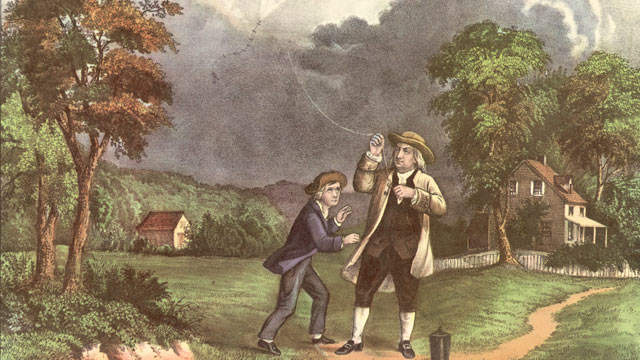
Some of the ideals upon which this country was founded—around the time we stole it from the Indians—are worth leaving on history’s toxic waste dump.  Slavery, the inequality of women, child labor, taxation (even with representation) were bad career moves, all.  But fermented apple juice, the bevvie which poured more sparks down Ben Franklin’s keyhole than all storms combined and which John Adams consumed a tankard of before he dotted his first ‘i’—is the all-but-forgotten founding fodder of this nation’s drink history.  In Colonial days, that’s pretty much all we drank, with the average Jane and Jehoshaphat consuming 35 gallons of cider annually and New England producing more than a quarter million gallons a year.
John Barleycorn

John Barleycorn

For this, we can thank the Brits.  In 20/20 hindsight, tacking a tariff on tea was a dud, but they clearly knew that as far as climate goes, the Original Thirteen was no barley basket.  In England, then as now, barley—with its short growing season and adaptability to poor soils—was the dominant arable crop.  Here, soils near the ocean were infertile, while those inland were phenominally fertile—far more than barley requires—and wheat, which has a hard time maturing in Britain, grew well.  Further south, of course, tobacco was the crop of choice.  So, very little beer stuff was grown, but wild apple trees were everywhere, and Puritan pilgrims found it much easier to simply produce and drink the old country standby.
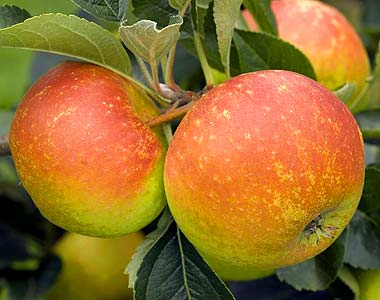
Cider apples

Cider apples

Something about the geometrical layout of an apple orchard struck these church-going folks as world order in metaphor, and so they soon began to reproduce the layout of orchards in Devon and Somerset, using seeds and cuttings they brought from home.  In the new country, traditional cider varieties like Dabinett and Yarlington Mill soon mutated; apples are funny that way—they require pollination from other trees, and for a better fruit set, from a different variety.   (As a personal side note, I have a few apple trees and find oddball apples every year; some are pollinated with crabapples).  As such, the apples grown in New England today are unrecognizable when placed among their Old England peers.
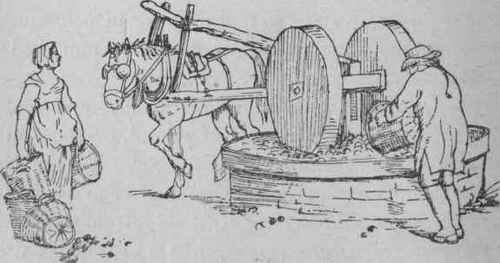
old-cider-millAnyway, the apples may have changed, but the cider making process stayed the same and is, among artisan producers—the only ones worth drinking—unchanged today.  Apples are crushed, the pulp placed in burlap sacks and squeezed dry with a screw press; the juice is filtered, then fermented.  Apples are far less sweet than grapes, and without added sugar, apple juice ferments to around 6% alcohol, making it a nice thirst-quencher without too much wallop.

So, why did this delicate drink fall, like Newton’s apple, from grace?  Two words:

The Germans

The real God: Angry, judgemental and not nude.

The real God: Angry, judgemental and not nude.

You know, it sort of has to be said:  Germans, for all their precision, record-keeping, early rising and Scrabble-tournament word structures, are not Godly people—at least not in the sense of the real God; the old man on the ceiling of the Sistine Chapel.   I mean, we’ll set aside any mention of two attempts at world domination as being too politically incorrect, but come on…  Really, Martin Luther?  No Pope, God’s right hand man?  No celibate priests, except with altar boys? No indulgences?  Dude, if you think I am spending an extra trillion years in Purgatory just because some heretical, worm-eating Hun has a stick up his Heinie, you better think again.

Clipboard odinWe all know that all Germans are secretly pagans in any case and actually worship Norse gods like Odin and Wodan and that flying salamander Rodan.  So it is no wonder that they would bring to this country a chaotic upheaval of the cider industry in favor of beer.

The first brewery in the United States.  Thank you, German people.

The first brewery in the United States. Thank you, German people.

And not just a keg or two; Germans, as a rule, have no sense of proportion—consider Welthauptstadt Germania.  They moved west, where they could grow as much barley as they wanted, and began to mass produce beer on a scale that is unimaginable to those us from a race that does not look at Russia and say, “Yeah, I could have that; easy peasy.”

Beer took over; it was cheaper and had a longer shelf life.  Cider’s final death knell was Prohibition, and cider apple orchards were hacked down by the feds and replanted with things that were non-ciderable.  Whereas the drink is still big in Europe, especially in the world’s largest cider producers Normandy and Brittany, the industry here never recovered and until recently, ‘cider’ was the mill where you took the kids in October everything you bought was rated ‘G’.

atomicbombStill, irony reigns.  Just as we won the-war-I’m-not-supposed-to-mention using a bomb built primarily by expat German-Jewish scientists, so did the beer industry itself revive interest in farmhouse cider.  As microbreweries took center stage in the imagination of craft beer lovers, many of them ‘re-discovered’ the glory of cider.  According to the Beer Institute, the last five years has seen explosive growth, with cider sales increasing 68% in 2012-2013 alone.

That, however, is but a drop in the figurative brew bucket, partly because the upfront costs of growing the sort of bittersharp, high-tannin apples that make the best cider (called ‘spitters’ because they are too tart to eat) are prohibitive.  An apple tree requires three to five years before it becomes productive, and per acre profits are less for spitters than a farmer could earn if he grew ‘dessert’ apples like McIntosh or Delicious.  You really have to love what you are doing, and have a lot of time to spend loving doing it.

And yet, loving it and doing it they are ; cider in the United States has grown so exponentially that there aren’t enough bittersharps to go around.  According to Sherrye Wyatt, executive director of the Washington–based Northwest Cider Association, “It’s incredible how fast the growth has been. Cider makers are not doubling or tripling sales—it’s thousands-of-percent increases.”

The Swiss Don’t Miss
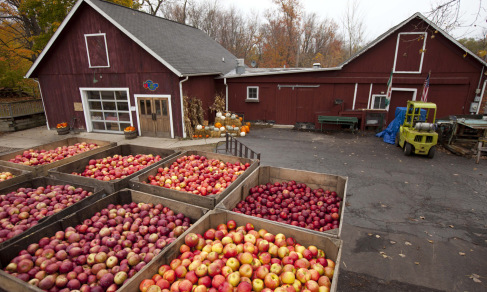
cider millAs a Michigan kid, I refuse to concede the superiority of Pacific Northwest apples, but I must say that the brace of beauties I tried from Cider Brothers recently gave Michigan ciders a run for their money.  Apparently, this Lodi-based operation shrugs off the bittersharp shortage and goes with the pie-packers and lunchbox-loaders Golden Russet, Gala, Fuji, Red Delicious and Granny Smith, begging the question:  If these guys can make such a delightful drink out of such high-volume apples, at which point are those cideristas seeking high and low for another bin of Yarlington Mill going to realize that Trader Joe’s stocks all the raw material they need to make a batch decent enough for general consumption?
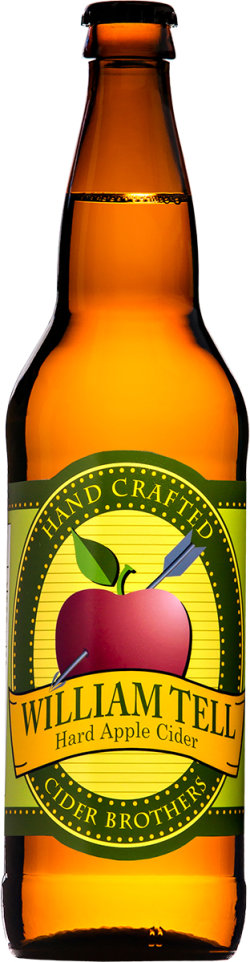
bottleIn any event, the first of the two 22 oz. bottles is called William Tell—named for the legendary Swiss marksman who shot an apple off his kid’s head.  Like its namesake, the cider hits the bull’s-eye.  An intense, candy-apple nose filled with many layers of rich fruit; sweet red apples, pears and spicy pie just like Mom would have made if she’d actually known how to cook.  There’s perhaps a whiff of chemical, but nothing off-putting.  The mouth is full and crisp; the apple notes carry through beautifully and the cider finishes dry and long on the palate with a fairly intense apple-peel lusciousness.  Great food cider, with pig being the obvious, if unimaginative flesh-of-choice.  That said, I marinated a couple of chops in the leftover cider for a couple hours and grilled them: Superb.

The second cider is a rather odd concoction which blends the five-apple cider with 15% pinot grigio.  Whereas I may question the ultimate synergy here—as I do with that equally random British lemonade/beer mix known as ‘shandy’—this is fresh enough tasting and handcrafted with sufficient care to make it noteworthy.  Most of the Jolly Rancher hard candy highlights remain, but the pinot grigio adds some stone fruit notes, especially peach cobbler, due—I suspect—to the yeast that gives the cider its sparkle.

Both bottles sell for around $9.


Posted in CIDER | Tagged , | Leave a comment

Grin And Beerenauslese: Father Knows Best

"Come on, Margaret.  What could one teeny-weeny little drink hurt?"

“Come on, Margaret. What could one teeny-weeny little drink hurt?”

I’m no Robert Young, but when my children come over on Fathers Day, we tend to drink like him.  Yes, that irrepressible insurance monger Jim Anderson—who Young sought to portray as the sort of non-boob, non-dimwitted patriarch he thought would be ‘representative of a middle-class American dad’—was indeed dipping into a hip-flask during those family meetings.  Later in his career, Young admitted that he’d been a hardcore juicer, even attending AA meetings during the series at the behest of his producer.

Which brings us to one of those perplexing ego dichotomies that happens every time a hallowed Hollywood hootch-hound goes all public record as being an AA member:

What part of ‘anonymous’ is unclear?

If it wasn't for the tattoos, she'd be ugly.

If it wasn’t for the tattoos, she’d be ugly.

Which is why I have recently started a Tinsel Town chapter of Alcoholics Aggrandizonomous which encourages drunks to brag about their demon-battling; we distribute pins that celebrate not ‘days sober’ but ‘days until relapse’ featuring an image of Amy Winehouse, who nobody imagined would be killed by withdrawal symptoms, thus giving the whole rehab industry a well-earned black eye.

Chips off the ol’ Blechhh

Anyway, once my initial crop of first-marriage kids reached the age of majority and I realized that they could, for the most part, drink me under the table. My mission in life became to educate them in the art of drinking responsibly.  And by drinking responsibly, of course I mean learning to ante up the pelf required to drink for quality.

At these prices, quantity pretty much takes care of itself.

For most people with discerning adult palates (as much a mental journey as a carnal one), the trajectory from cheap to uncheap is a logical and requisite progression.  This is not meant to disparage the backwash that formed the ethanoholic foundation of my youth; rather, like all things fun and philosophical, like writing stories and making love, after a while, it isn’t enough to simply do it—you want to learn to do it right.

Dookie diorama

Dookie diorama

Unfortunately, one of the primary weapons waged in the war to attract discount shoppers to the wine aisle is gobs of added sugar, a synthetic rainbow of color and volatile taste chemicals, often keeping prices down by eliminating anything in wine that the manufacturer finds superfluous—primarily, grapes, vineyards and winemakers.  Boone’s Farm, for example, is malt liquor, made with fermented grain and processed to the point where it closer to Velveeta than vino.

Is it any good?  That’s the domain of ethicists, not curmudgeons. To an universalist hedonist, who believes in the criterion of the greatest good for the greatest number, Boone’s Farm’s omnipresence in every cold box area of every convenience store in every city everywhere suggests ‘good’.  Thinkers like Immanuel Kant, trusting in an absolute good as opposed to a relative good, would disagree, and would have no doubt stated as much over a nice Schott Zwiesel tumbler filled with beerenauslese.

But more on that in a minute…

La Dolce Vita

Richard, Deen, Anderson

Richard, Deen, Anderson

Since most of you out there in Reader-Land are human beings, chances are you evolved a sweet tooth somewhere along the Darwinian daisy chain.  Sugar equals calories, which—despite Richard Simmons’ yabbering and Paula Deen’s flabbering—are actually good things to ingest.  Plus, in nature, sweet things are rarely poisonous, but bitter things often are, so you can assume that your would-be ancestors who chose the castor beans over the yams didn’t make it to the dessert buffet.   As a result, most of us gravitate toward Cap’n Crunch early in life and learn to appreciate bitter stuff—beer, arugula, kale and coffee—as adults.

Still, as slaves to genetics, sugar satisfies some inner, inalienable imperative, and it is postulated that as a species we might have co-evolved a booze-tooth along with a sweet-tooth since fermented fruit contains both.

In any case, the simple truth is that a lot of self-styled wine people, especially those who have begun to discover the subtle, grown-up glory in dry wine, wherein the quiet esters, unmasked by sugar, are allowed shine forth, begin to claim a righteous disdain for sweet wine of any sort.

L. Cheap wine R.: Cheap wine being made.

L. Cheap wine
R.: Cheap wine being made.

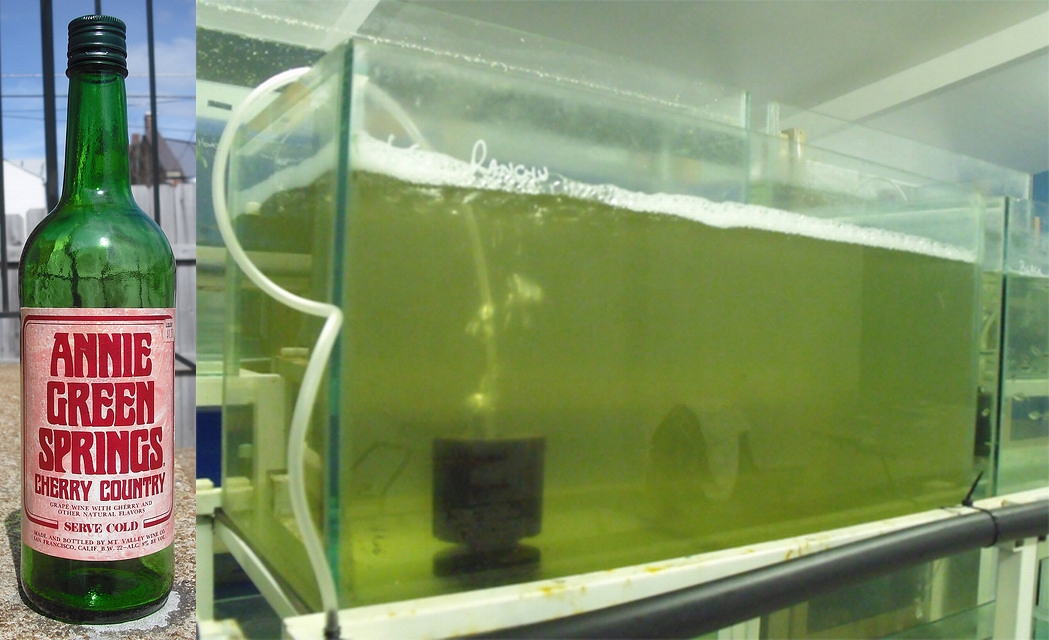
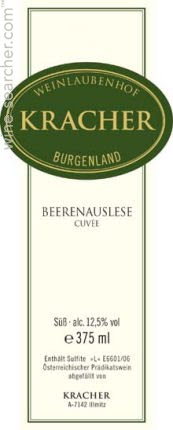
And what a sea of glee they are missing.  Because, of course, not all molars crumble equally, and the sweet stuff sold next to Monster Energy Drink—essentially fermented aquarium water with potassium sorbate added to kill the algae—is about as far removed from Weinlaubenhof Alois Kracher Cuvee Beerenauslese as karaoke night at Gusoline Alley is to Tristan und Isolde at The Met.

Eiswein it isn't.

Eiswein it isn’t.

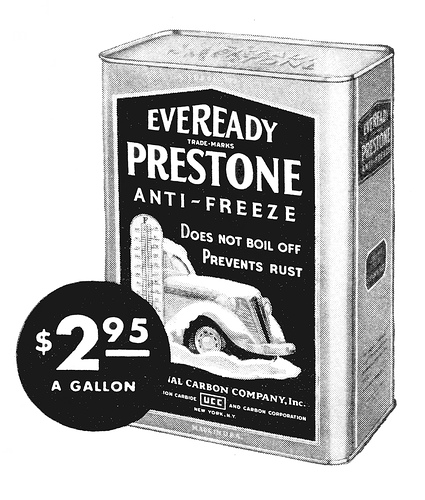
This rare little Austrian wine from the iconic house of Kracher—which has been producing such gems for three generations—is sweet revenge for all the bin plonk in every bin joint in all the towns in all the world.  Writers love irony, so Kracher is a good wrench in our toolbox:  When I said earlier that sweet things are not poisonous, I intentionally left out diethylene glycol, that scrumptious, sugary toxicant which is responsible for nearly all the dog poisoning in the world and also was at the heart of the Austrian wine scandal of 1985, when a number of wineries tried to artificially boost the sweetness of their late-harvest wines by adding antifreeze and led to a near collapse of the Austrian wine industry.  Now, to make this doubly ironic, Austrians are normally very clever people: I mean, who else could turn Hitler into a German and Beethoven into an Austrian?  So, the idea that they thought it was a good marketing hook to poison their customers sort of hangs in history as a blunder on the scale of Pickett’s Charge.

Alois Kracher, Sr. and Jr.

Alois Kracher, Sr. and Jr.

But it is triply ironic because many people consider the savior of Austria’s wine industry to be Alois Kracher Jr., the visionary winemaker whose technical mastery (he was a chemist before a vintner) brought a precision to the palate of Burgenland like no one had before him—not even his father, Alois Kracher Sr., who died in 2010 (sadly, after outliving Junior by three years).   Kracher wines, produced from Weinlaubenhof vineyard on the Austrian–Hungarian border, enjoy climatic conditions that favor the development of Botrytis cinerea.  That, of course, is the fungus that produces the luscious, honeyed white wines of Sauternes, Tokaj, Monbazillac and the all-but-forgotten masterpiece Grasă de Cotnari-based wines from the Cotnari vineyard in Moldavia.  In Germany and Austria, these wines may be classified under the Prädikatswein  term ‘Auslese’, or ‘late harvest’ and specifies bunches that are hand-picked in exceptional harvests.  Tack on a ‘beeren’ prefix, and you have further refined auslese wines to those where individual grapes are isolated and crushed, resulting into a concentrated, syrupy nectar that, when it is produced correctly, is a nearly transcendental wine experience.

Polly Want a Kracher?

Polly do and me do, too.  Thus, I wanted to transcend my brood right out of sweet wine apartheid, bringing them into the rarified microcosm of half-bottles and Teutonic tongue-twisters where rot is noble and the antifreeze in the glass is nothing more that ethanol.

Welschriesling

Welschriesling

Most of Kracher’s selections offer just that; this one, vintage 2010 (a low-yielding harvest which followed a wet summer) was exceptionally well balanced and, as befitting a mouthful like ‘Weinlaubenhof beerenauslese’ displayed a remarkable length on the palate.  I suspect that most fans of German beerenauslese would approve, even though the wine contains no riesling.  Rather, it is a blend of chardonnay and an unusual (for Americans) variety called welschriesling, which despite its name, is not related to the reining Rhinish regent.

Welschriesling is of uncertain parentage, but is cultivated primarily in Eastern Europe as a high-acid, pleasant (if somewhat neutral-tasting) grape which is susceptible to Botrytis infection—far more than chardonnay—and it in this style that the grape truly comes into its private majesty, finding itself on the same exotic and exalted throne as semillon.

bottleThe blend is precisely what one expects in a late-harvest wine; brilliant concentration, refreshing acidity and a startling depth of flavor.   A fierce, almost savage nose of preserved apricot and candied pear becomes an unctuous balm of gold that coats the mouth and is filled with creamy citrus, toasted walnut and so many layers of ripe and dried stone fruits that the wine immediately becomes the focus of attention.  For greenhorns, this class of wine is a revelation; for those who are in on the secret, Kracher’s entire portfolio of ‘dessert’ wines is worth the deep dive—including an ice wine from grüner veltliner, a late-harvest traminer and a beerenauslese from scheurebe.  They ain’t 7-11 wines, fo’ shizzle, with half-bottles ranging from $20 to nearly a hundred (the beerenauslese is $37), but they effectively end any naysaying among the neophytes that sweet means ick.

summertime-bluesAs a side note, whereas many wines categorized as ‘dessert’ are higher in alcohol than their main-course counterparts, this one comes in at 12% abv; a perfectly acceptable punch, especially considering the smaller portions you’d be serving.   At this point in a meal, I might otherwise be bringing out the Calvados or Cognac; but, though legal adults, these are my daughters, my babes-in-arms, and nobody wants anyone to go into eno overload.  Hence, something with sugar and spice and everything nice is just what the nursery rhyme ordered:  And anyway, remind me again who said that there ain’t no cure for the summertime booze?


Posted in AUSTRIA | Tagged , , | 1 Comment

A Summertime Favorite: Korn On The Job

* Final day for voting in Wine Blog Awards 2014, for which this column is nominated in ‘Best Writing On A Wine Blog’.  http://wineblogawards.org/ if you intend to vote for me.   Otherwise, move along, nothing to see here…


Sixpack-free Korn on right

Sixpack-free Korn on right

Every time I run into homeboy Michael Korn, wine wiz and—incongruity made manifest—professional paint ball player, I am struck by the fickle tricks that nature plays on us as we age.  For instance, when Michael Korn was thirteen, I put the bar in his bar mitzvah: I poured wine for the company that catered his seudat.  Now, suddenly, by some supernatural cosmic legerdemain, we are both the same age; at least, we are both middle-aged juice junkies with grey in our beards to whom the phrase ‘wise beyond our years’ has become ‘wise despite our years’.

Anyway, all along the career path that took this young pup from blue balls to paint balls, bar mitzvahs to bar hopping, Torah to pour-a, our swill stars have aligned throughout the state, most recently at Jimmy Lutfy’s Livonia fine wine gem of a retail hole-in-the-wall, not your mom ‘n’ pop’s Boone’s Farm bazaar.  Lutfy routinely attracts savvy wine people, visiting vintners to wedge into his postage-stamp-sized specialty shop, Fine Wine Source. Get on his mailing list to find out who and when:  http://finewinesource.net/about-us/

Pickled Pink

Circumspect, circumstantial, circumcised.

Circumspect, circumstantial, circumcised.

On Friday, it was Michael Korn (rep of outstanding Woodberry Wines) pouring a fine selection of rosé, fighting in the vanguard of the fuchsia faction who are campaigning to find a wider American audience for the dry version of less-than-red-colored wines.  As a member of the Detroit Action Paintball team, he likely has an egalitarian view of color; thus, no innate reason to trash pink simply because Sutter Home made a fortune sullying the chromatic reputation of rosé, which reaches certain heights of majesty in Loire, Tavel, Penedès, and to some extent, Champagne.

Mike’s spread covered the several stylistic approaches used to turn red wine grapes a shade which can range from melon-pale to coppery orange to a severe, neonic magenta, representing a number of appellations known for their superlative interpretations of this genre.

Pink Tinkerers  

Early method of producing rosé from overdressed women.

Early method of producing rosé from overdressed women.

The most common method of rendering rosé from red grapes is to allow the must only a brief period of maceration on the skins—the source of wine color in the first place.  After a day or less, juice from the crushed grapes is drawn off, having picked up only a tint of tint and few sneaky phenolics.  French pinks are often made via saignée, a technique originally intended to concentrate the leftover portion of red wine, with the extra juice often tossed out.  Rather than throw out the baby with the bath water, frugal vintners realized that If it is fermented instead, it results in a lighter, pinker, more acidic—but quite lovely—wine. This was, in fact, the original incarnation—with added sugar—of white zinfandel.

Another technique relies on lighter-skinned red grapes like cinsault (Vin de Pays d’Oc) and gamay (Côtes de Toul), allowing only the briefest skin contact time and producing gris de gris-labeled wine which is pink in name alone.

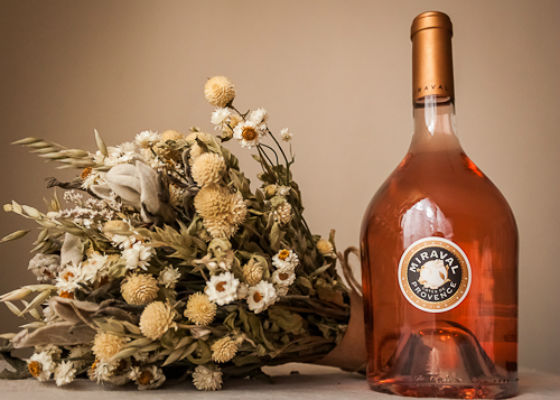
Chateau Miraval Rose 3_315Rosé wines from Champagne take a different tack; these wines, representing about 5% of the AOC’s production, are often produced by from a blend of chardonnay and pinot noir—the two principal grapes of the region.  By far the priciest of the pink posse, quality rosé from Champagne offers something unique to the profile: Ageability.  In general, nearly every bottle of pink you pick, from Brangelina’s heralded Miraval to Wild Irish Rosé are meant to be consumed within a fairly limited time frame; the youthful fruit and fresh spritzy quality of your basic porch-pounder fades quickly, and limited skin contact misses out on some of the essential, natural anthocyanins that we equate with a wine’s ability to change and improve as it sits in a cellar.  Rosé from Champagne, made in a slightly more robust style by the addition of red wine, may find itself in an enviable stratosphere: The 10 to 12% of wines, red or white, that actually become more complex with age.  These wines, far from being a saignée afterthought, are often a Champagne house’s iconic, prestige cuvée.

Back to Korn on the Job:

Whatever color Mr. Korn decides to paint the town tonight with his paint ball gear, I can assure you that he has become more complex with age.  Always great to touch base with old winos; and glad to see that he is still in the pink.


Tasting Notes (given in the order that Mike wanted these wines presented):

Biutiful-Rose‘Biutiful Rosé Cava, Penedès (Spain), NV, around $15:  A potent whiff of yeast without a lot of fruit to shore it up, tis winds up being a peasant tipple, good for the price, but a little heavy-handed and tart—the sort of high-acid, citrusy wine you can feel in your mumps.

Montaudon Grande Brute Rosé, Reims (France), NV, around $55: Chocolate-covered cherries and toast in the nose; big and balanced between crisp and cream, fruit and smoke, silkiness and aggressivity.  A grand wine; a celebratory centerpiece.

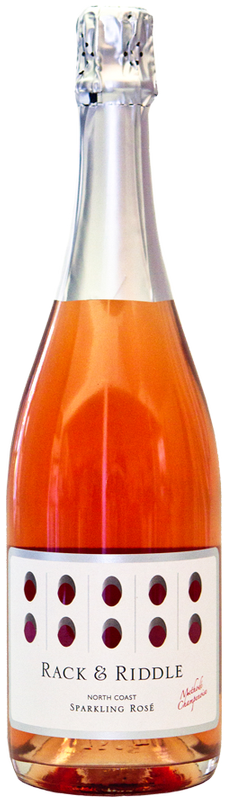
rack and riddleRack & Riddle Brue Rosé, North Coast (California), NV, about $27: Youthful with a fine, classic, nimble mousse.  From a North Coast custom crush facility, this is complex sparkler offers lemon-lime, strawberries, brioche, vanilla and honey.

Sainte Andre de Figuiére Signature ‘Magali’ Rosé, Côtes de Provence (France), 2012, around $17:  Pithy and pink, fairly simple, but fresh with strawberry and watermelon notes and a distinct grapefruit finish.  Nothing to write tomes about, but a lovely refreshment worth a text or two.

Moris Farms Rosé ‘Mandriolo’Domaine Mejan Taulier Canto-Perdix Rosé, Tavel (France), 2012, around $20:  I’m a sucker for Tavel rosé and this one tickled me pink.  The perfect tannic undertow, likely based on a Southern Rhône blend of mourvedre, syrah, grenache, to lift the bright spring berry profile.  Lots of juicy raspberry and deep, complex nuances.  A connoisseur’s blush; a converter of the cynical.

Moris Farms Rosé ‘Mandriolo’, Tuscany (Italy), 2013, about $15:  Sangiovese-based, fruit-driven and gently acidic, Mandriolo is a nice finesse-filled foil for the massive reds of the region.   Still plump with cherry and crisp with lime, the wine is vivid, wild and delicious.


Posted in GENERAL, Provence, Rhône | Tagged , , | 1 Comment

Real Men Drink Gill. Whilst Wrestling Quiche…

I served a very metrosexual quiche at a dinner party last week, and guess what wine I served alongside it?  A hefty syrah from Michael Gill Cellars in Paso Robles.

L.: Quiche R.: Lorraine

L.: Quiche
R.: Lorraine

Now, among wine circles, such an abominable pairing is a faux pas comparable to being on trial for intent-to-distribute and attempting to sell meth to the jury.  But, rest assured that I do not run with such crowds as give a flying fork about trivialities and propriety and decorum and tradition—rather, I dine with real men.

Never mind that most of them are of the double-X chromosomatic persuasion (five daughters and a daughter-in-law). When it comes to drinking with daddy, it’s all Y-factor power pixilation.

And speaking alphabetically, what better path to the above referenced A to Z than a hot-climate syrah picked at an astonishing 28 brix?  Somehow, my basement dago red is made of stuff less stern, and although I generally tend to shy from 17.5% non-fortified wines, it’s because they often lack finesse, character and layers of confab-fodder subtlety that makes for interesting table talk.

Here’s Why:

Saccharomyces cerevisiae on the hoof

Saccharomyces cerevisiae on the hoof

Using traditional yeast strains and standard fermentation processes, wine tends to top-out at around 15% alcohol per unit volume; that’s the point where it doesn’t pay to defecate where you habitate.  The metabolic process through which species Saccharomyces cerevisiae converts sugars to carbon dioxide and ethanol stops when the concentration of hootch becomes lethal.  For the most part, that’s been sufficient oomph to please the palate without poaching the parietal lobe.  For those in love with gusto, fortified wine fills their niche—it’s made by adding a distilled spirit to kill the yeast midway through the fermentation process, generally leaving behind residual sugars, which is why these wines—ranging from 17.5% to 20-something percent abv—are often referred to as ‘dessert wines’.

What Happened?

Easily Baked Wine-Making Kit by Hasbro

Easily Baked Wine-Making Kit by Hasbro

Somewhere in the nineties or thereabouts, a primordial—almost cult-like—fascination with ripeness began to emerge from the wine soup.  When we were kids, a ripe grape was sweet and an unripe grape was sour, and that’s all us and our Suzy Baked Wine-Making Kit needed to know.  Turns out that the process is a bit more complicated than that, and winemakers like to throw around terms like véraison and brix and phenolic ripeness, and cork dorks like to memorize these words and act like they’d known about them all along.  It’s the latter term—phenolic ripeness—which leads to the power inherent in the Michael Gill wines we consumed after feeding the quiche to the goldfische.

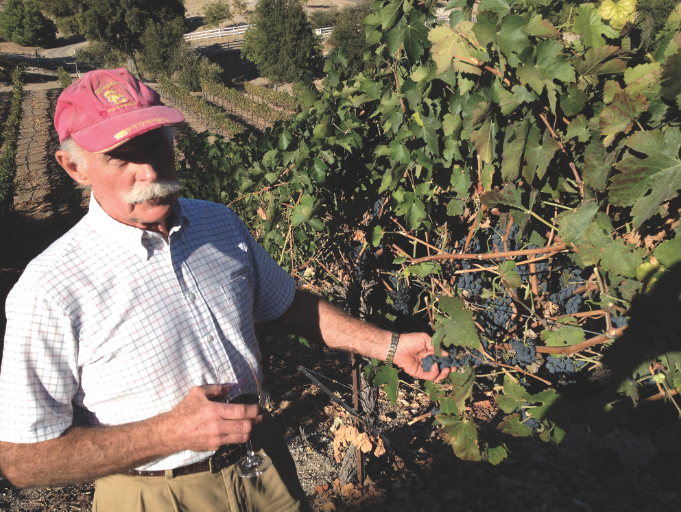
In fact, Michael Gill himself, in his hill-studded vineyard in west Paso, made it physically manifest around the middle of last October, when he crushed a lone syrah grape in his palm.  The seeds, which had previously been pond-scum green, had recently turned a nice autumn russet brown.

Michael Gill on the hoof

Michael Gill on the hoof

“That’s a ripe grape,” he said.

Indeed, whereas gauging rising sugar levels and falling acid levels is indispensible to the creation of balanced wines, the phenolics within the grape, largely concentrated in the seeds and skins, ripen at a schedule that is slightly red-shifted (pun intended).  The key to a grapevine’s innate IQ is understanding that fruit does not have the slightest interest in appealing to a winemaker’s endgame, which is useless to a species’ propagation.  Rather, a grape’s genius is in making itself irresistible to seed-spreading birds.  When they are green and acidic, grapes are camouflaged and unpalatable; when they pass through the color-changing, acid-degrading phase known as véraison, they become visible to birds among the foliage and are then, fully loaded with succulent sugar.

The enemy on the wing.

The enemy on the wing.

The race is then on between European starlings and South American migrants to bring home the fruit.

During phenolic ripening, many of the complex flavors prized by wine lovers develop alongside compounds affecting color and mouthfeel.  This tends to coincide with the onset of autumn rains, likely because that’s the best time for seeds to be sown.  To obtain the highest concentration of these vital phenols, grapes need to hit the primary fermenter prior to their dilution at the onset of these rains.  This simple maxim gives vineyard managers two anxious reasons to scan the skies in the fall:  Birds and clouds.

Paso’s Pursuit of Perfection

"Extraordinarily rich personality with notes of smoke, Asian spices and cassis."

“An extraordinarily rich personality with notes of smoke, Asian spices and cassis.”

Paso Robles sits in a geological zone that is, to lovers of testosterone-charged, high-octane, supremely-nuanced red wines, what that last bowl of porridge was to Goldilocks: Just-rightamundo.  Cool marine air sliding through the Templeton Gap and along the Salinas River Valley offer it the largest temperature swings in any viticultural region in California, packing on the sugar during hot days and preserving the pH during cold nights.  Best of all, perhaps, is the fact that in Paso, the autumn rains which define the time of optimal picking are delayed significantly—around two weeks later than in either Napa and Sonoma.  This allows a winemaker the option, if not the obligation, of producing a wine which can be picked—in certain years, among certain varieties, using certain vigorous yeast strains—at 28°Bx, resulting in wines that naturally reach alcohol levels above 17%.

Normally, such wines would do a Lizzie Borden on your neocortex, leaving you with more scars than talking points.  Fermenting based on high-fiving the buzz without regard to balance is a frat-boy game, and very few regions can carry off the tight-rope walk of paying homage both.  Very few winemakers either.

Enter Mike Gill…

Every animal in this picture was personally wrestled into submission by Mike Gill

Every animal in this picture was personally wrestled into submission by Mike Gill

If ever there was a guy born to make big wines, it’s Mike Gill.  Everything about him—personality, moustache, handshake, mounted megafauna in his tasting room—screams ginormous.  He comes from a Southern California oil town where (by his own admission) the drink of choice is bourbon and beer, and if you start nattering on about the other two ‘B’ words—Bordeaux and Burgundy—you might wind up in some rich petro-pasha’s trophy room.

As a result, he didn’t discover his enological Eldorado until after college.

Make that dental school, as Gill opted out of the family business, choosing a career lubricated with spit instead of fossil fuel.

Clipboard wineAnd wine.  In 1977, he bought twenty-two acres of hilly, oak-studded land on the west side of Paso Robles (El Paso de Robles is Spanish for ‘Pass of the Oaks’), and although it was a convoluted path to actually planting a vineyard, wine made from his first vintage was stellar, award-winning stuff, and he’d seen a future that could include both malocclusions and malolactic, brux and brix, tooth decay and noble rot, bicuspids and biodynamics.  I’d add ‘gingivitis vinifera’, but you’d accuse me of milking a joke.

“We’re not trying to mass produce everything,” says Gill.  “Or get on a treadmill and be married to budget and expectations. If one grape takes extra care, it gets extra care; we make the time.”

mothernature02

Mother Nature

For the most part, Mother Nature is on board with this mission statement, but when she kicks up her heels a bit, the fallout is in the glass.  The syrahs we sampled—labeled ‘Tuxedo’ and ‘Big Rock’—were from back to back vintages, 2010 and 2011, and were superb illustrators of the phenolic ripeness vs. sugar level ripeness claptrap mentioned above.

According to Gill, the differences between the wines (which I’ll get to) was entirely due to vineyard conditions.  2010 was a warmer year, and yields were higher (two tons per acre) and sugars—and as a result, alcohol by volume—was higher.  2011 was cooler throughout the region, with a little rain before the pick.  Although less than half an inch does little damage to thick-skinned syrah grapes, yields were about half of 2010.  At a ton per acre, you’re only going to wind up with a bottle of wine per vine; the attendant cost for these wines—(around $40 for the Big Rock; $65 for the Tuxedo) is to be expected.

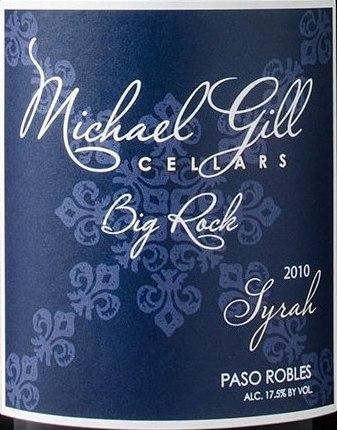
big rock labelSo, true to expectation, the syrahs with the longer hang time showed profiles that were slightly less acidic, providing density, but without heaviness.  The Big Rock was rich, deeply crimson-colored and concentrated, packed with smoky licorice and plum; the Tuxedo was rich, but not jammy, and showed the multi-layered savor-strata of a vintage Hermitage or Côte-Rôtie, with lots of black fruit, velvety chocolate, tobacco and a deep mineral-ash backbone: A serious wine with major potential.

tuxedo bottle2011 showed a tart underpinning that was, on balance, more compelling, although the fruits were lighter—less plum, more black raspberry and cherry.  The Big Rock presented fine-grained tannins and the fruit was opulent, well-delineated on the palate and there was a floral perfume that makes me wonder if a whisper of viognier was blended in, since this is another Rhônish variety at which Gill excels.

I’d call these wines toothsome, but that would be an awful pun, and gratefully, I have recently learned to transcend dental connotation.

I

Best of both worlds.

Best of both worlds.

n any case, Gill is pulling down heavyweight praise for these heavyweight selections—brawny, brainy and big, inky and saturated— Paso wines all the way.

Although, if you take a look at the color of your incisors after the fact, he’s not doing much in the way of PR for his teeth-cleaning gig.


Posted in CALIFORNIA, Paso Robles, Syrah/Shiraz | Tagged , , , | Leave a comment

Michigan Wine Month, 2014: The State Of The Ouch

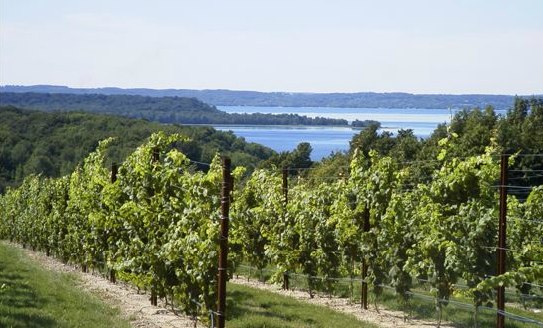
It’s basically May and there’s still snow in the vineyards.  In fact, there’s still snow in the forecast.  The leaden ice sheet that lingers over Grand Traverse Bay is bizarre; this stretch of water, generally South Pacific turquoise at this time of year, is the color of a blunt object.

A Leelanau vintner practises pruning on elk antlers.

A Leelanau vintner practises pruning on elk antlers.

This winter is the pit-bull that won’t let go.  Doomsday scenarists in the Leelanau Peninsula are predicting a primary bud failure of 80% for the upcoming growing season, and even the most simpering optimists believe that 40% of 2014’s wine harvest may have already been lost.  It is largely a varietal phenomenon, with milktoast, namby pamby cultivars like merlot being the worst off, while hybrids and the standby brute, riesling, will likely fare better.

For the others, it is too early to tell—a lot of them have not yet been put to such a Herculean test of mettle.

One thing upon which everyone agrees is that Traverse City wine country is emerging from the worst vine disaster since 1993/1994—a winter so cold that in its wake, the Michigan wine industry essentially had to re-invent itself.  Although, by the way, the twin peninsulas of Leelanau and Old Mission did so with oomph: Note that in 1993, hardly any of the current stock of wineries even existed.

Leelanau in more temperate times.

Leelanau in more temperate times.

If there is a silver lining to this dastardly cloud of horticultural reality, it may be that our Ohioan rivals wound up on the worser end of the weather stick—where they also happen to have wound up in terms of character resilience,  scenery, yumminess of whooty and college football teams.  Without the meteorological marvel known as ‘lake effect’, successive days of sub-zero temperatures can kill not only the buds that form on the canes in the fall, but the vines themselves.  If that happens, there is little to do but start over.  Ironically, both here and south of the border, the season’s prodigious snowfall was a blessing, insulating the vines at ground level and keeping the exposed root stock as much as ten degrees warmer than the ambient air.

Deep-Freeze It and They Will Come

I spent this past weekend in Leelanau dodging a few stubborn drifts and sniffing out the past and the future of Northern Michigan wine country—and most of the plucky attitudes I encountered were painted on a backdrop of the late, unlamented polar vortex.  Remember the old witticism suggesting that ‘the first human to eat an oyster must have had some balls’?  Same props go to the very first pioneer in the frozen biosphere of Leelanau to plant a grape vine.  (Bernie Rink, for the record).  But a new generation of winemakers keeps on coming and they keep on planting, and the focus of my locus on this trip was a vist to those wineries that have opened up in Leelanau in the past four years.

There are now 25 wineries on the 30 square mile peninsula, each producing a portfolio of uniquely Michigan takes on classic and newfangled varieties.  As you might imagine, they are predominantly white wines, and most of them go very well with oysters, thank you very much.

Here’s a rundown, and in no particular order:

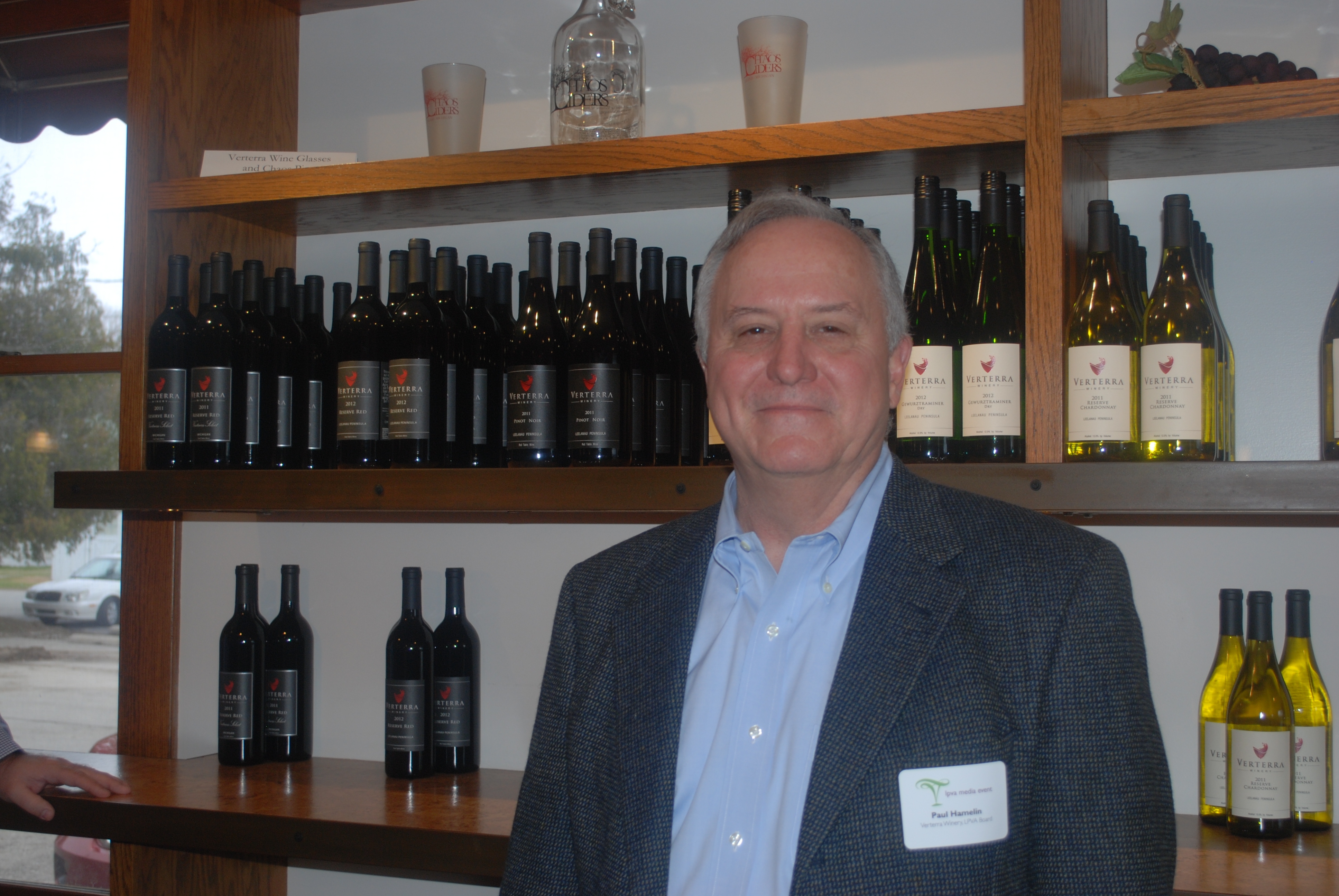
Verterra Winery, 103 E. River Street, Leland, MI 49654, (231) 256-2115

Paul Hamelin

Paul Hamelin

I raved about this little Leland gem when they first opened their doors in 2011 and have rostered myself in their fan club ever since.  An amalgamation of local lore and savvy science, the winery launched with fruit grown at Matheson vineyards, just south of Northport, and began hauling down gold medals right out of the gate.  The partnership (including Paul Hamelin, Paul’s enologist son Geoff and Bluebird Tavern owner Skip Telgard) continues to produce outstanding wines.  As the team learns more about climate-appropriate clones, they’ve expanded acreage to include the newly planted Swede Vineyard which at nearly one thousand feet elevation is among the highest sites in the peninsula.

Among a host of superlatives, the winery excels at pinot blanc, producing a deep-bodied, exuberant version that is crunchy with sweet apple and luscious with mango.  Verterra chardonnay is clean and lean, boisterous and filled with sappy pineapple.  An up-and-coming house style making inroads among local palates is rosé of pinot noir.  Far from the punk, porch-pounding pinks of prehistory, dry (or nearly so) blush wines from high-acid pinot noir—which still does not ripen optimally in most vintages up here—is a wonderful, sophisticated and surprisingly multi-dimensional alternative way of handling a less-than-ideal pinot noir harvest.

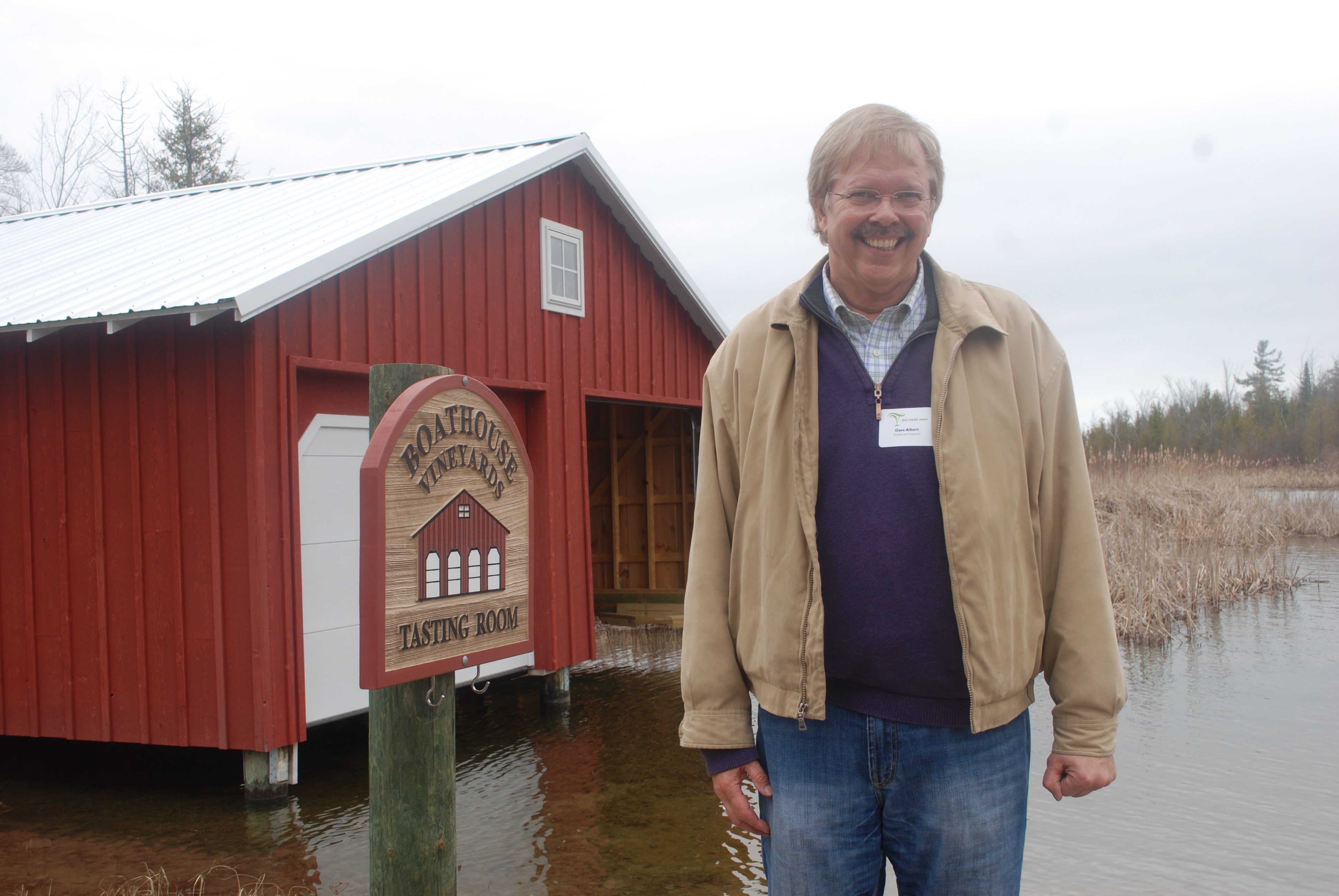
Boathouse Vineyards, 115 N. St Mary’s Street, Lake Leelanau, (231) 256-7115

Dave Albert

Dave Albert

When a bean-counter buys a vineyard, you either ask him what color the sky is on his planet or you stand back and see what he knows that you don’t.  And then there is Dave Albert, who sold his downstate day job and retired to Northern Michigan wine country for the quality of the beans—both of lifestyle and winestyle—more than bean quantity.  Averaging less than three thousand cases a year, Dave’s direction has been a blend of his business acumen and the vinting skills of One World Winery Consultants, allowing Shawn Walters to work his mojo while he works his.  Which is not to say that Albert is hands-off by any means—along with his wife Jane, he’s willing to tackle any grunt chore that a vineyard throws at him.

Among his more interesting brass-ring goals is to make the best red wine that frosty Leelanau can produce; he became enamored of local cabernet franc, which is a surprisingly kick-ass product.  So far, so good—he’s got six reds on his current release sheet, including a blend which incorporates the extremely weird hybrid regent—a cross between sylvaner, müller-thurgau and chambourcin.

All the ballots are not yet counted on the ultimate success of the operation, but in the meantime, the quaint little boathouse / tasting room on the picturesque Narrows of Lake Leelanau is worth the price of admission.

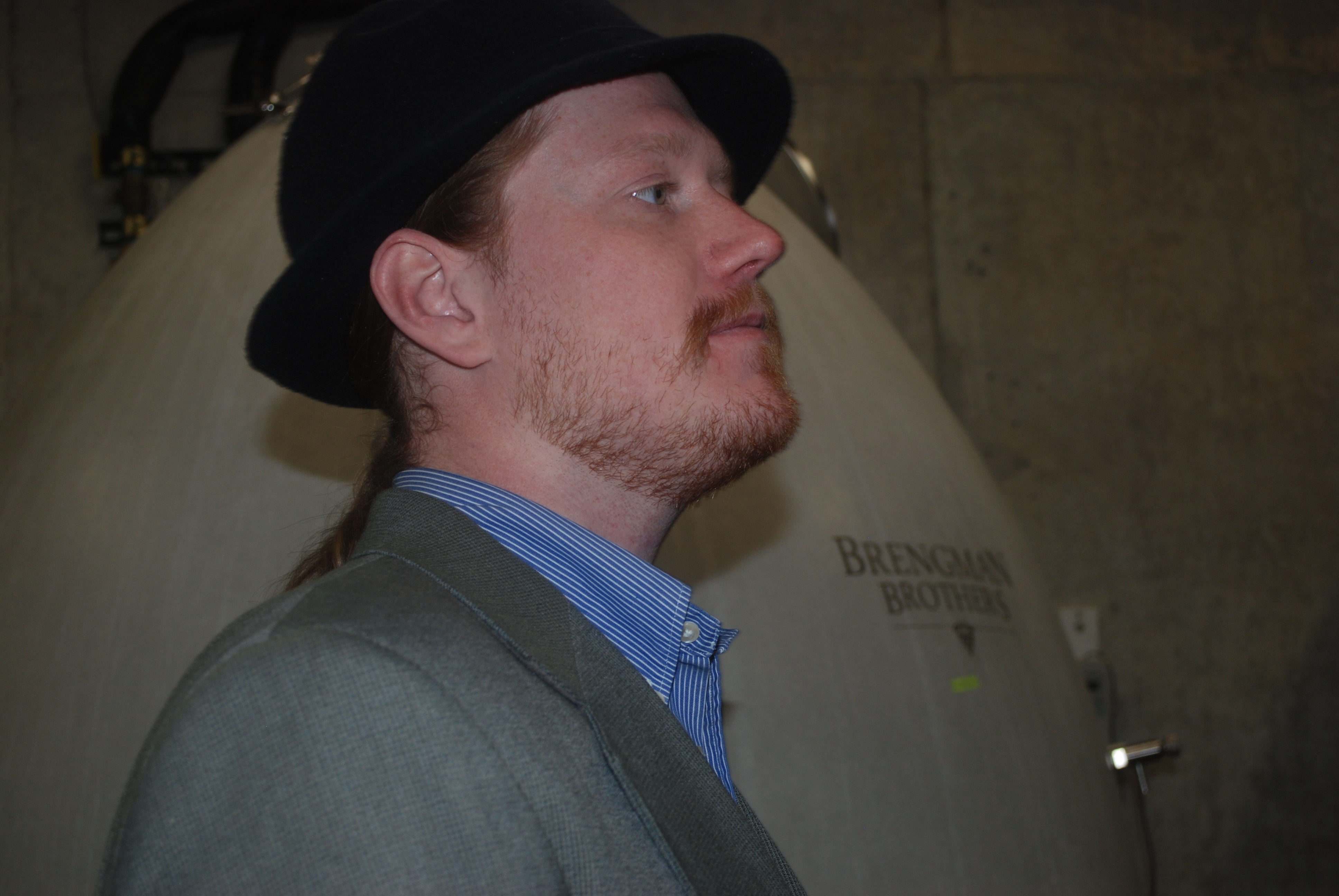
Brengman Brothers, 9720 S. Center Highway, Traverse City, (231) 946-2764

A Rose by any other name would be Nathanial

A Rose by any other name would be as Nathanial

When brothers get together in a business venture, the results can be scandalous (Kochs), infamous (Frank and Jesse James) cringe-worthy (Jonas Brothers) or ground-breaking (no plane-crash jokes, Orville and Wilbur).  In the case of the Brengman brothers, the results are available by the glass.

Ed and Robert Brengman’s background is restaurant hospitality, so it is no wonder that the winery is as event-focused as it is a showcase for their favorite trio, pinot noir, riesling and gewürz.  Winemaker Nathanial Rose is coming with some solid examples of each, taking cues from Alsace techniques and experimenting with some new-kids-on-the block like chelois—an odd choice for a hybrid variety considering that it is said to be notoriously unfriendly to cold climates.  Next trip, I fully intend to hit him up for a sample from his private reserve.

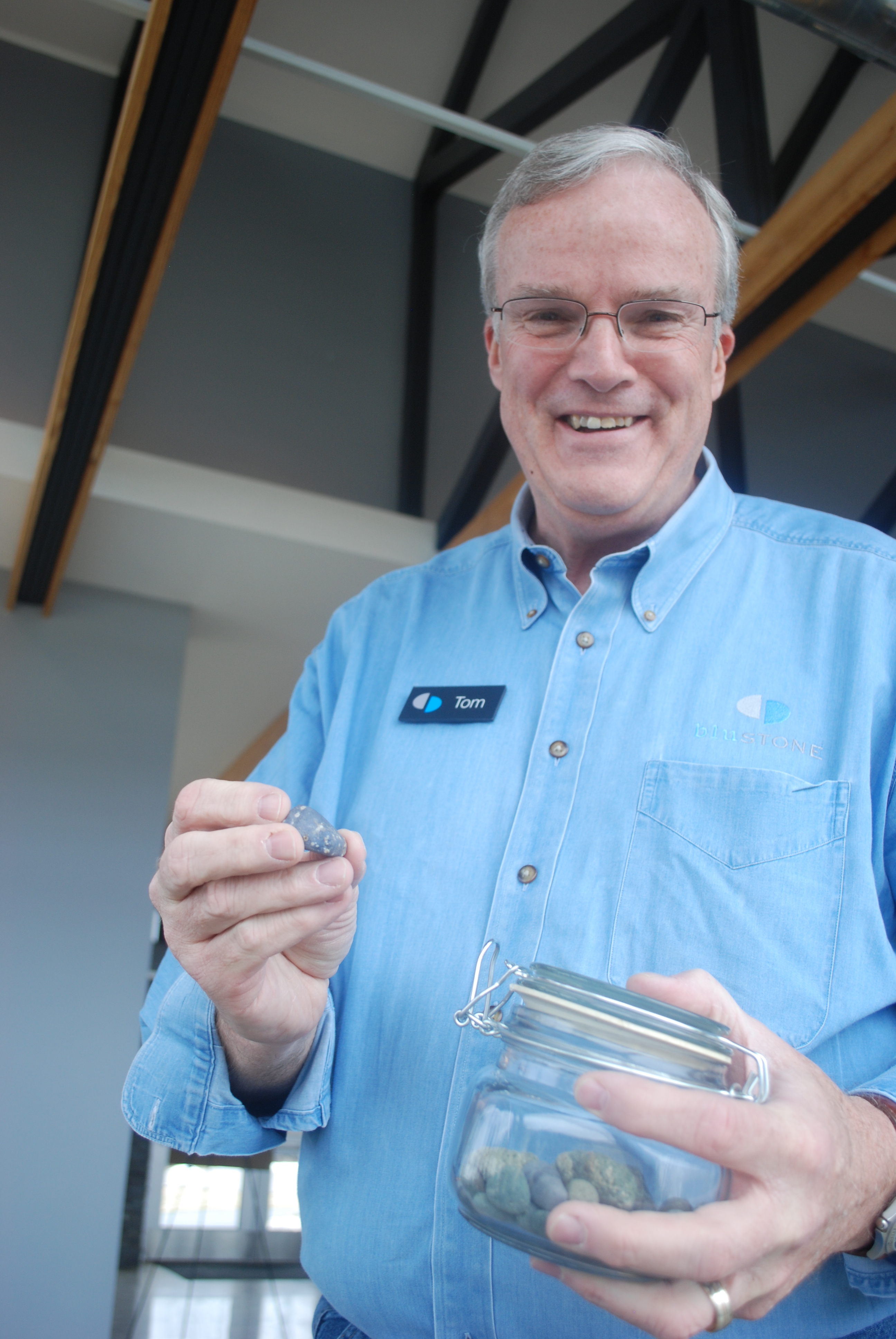
Blustone Vineyards, 780 N. Sylt Road, Lake Leelanau, (231) 256-0146

Tom Knighton shows off a real bluestone--the kind with an 'e'.

Tom Knighton shows off a real bluestone–the kind with an ‘e’.

When set to open, a well intentioned sign painter thought he’d do Tom Knighton a solid and correct a perceived misspelling in the winery’s name.  Not sure what the painter said when he learned that Knighton intentionally left the ‘e’ out of Blustone—to be ‘different’—although Tom may have learned the hard way that up here, folks don’t always cotton to ‘different’.

In any case, the Blustone tasting room is an architectural marvel; arguably the most visually stunning outpost on the peninsula—essentially a glassed-in pole barn with a panoramic vineyard vista from every window.  And the wines get better with every vintage.  A cream-and-citrus balanced pinot blanc was the best of the lot, oozing pear syrup and bright lime zest.  Pinot Grigio 2012 was nearly on the same plateau of outstanding, filled with ripe peach and lemon curd sheathed in a sharp and shivery shawl of acidity.

Laurentide Winery, 56 S French Road, Lake Leelanau, 231-994-2147

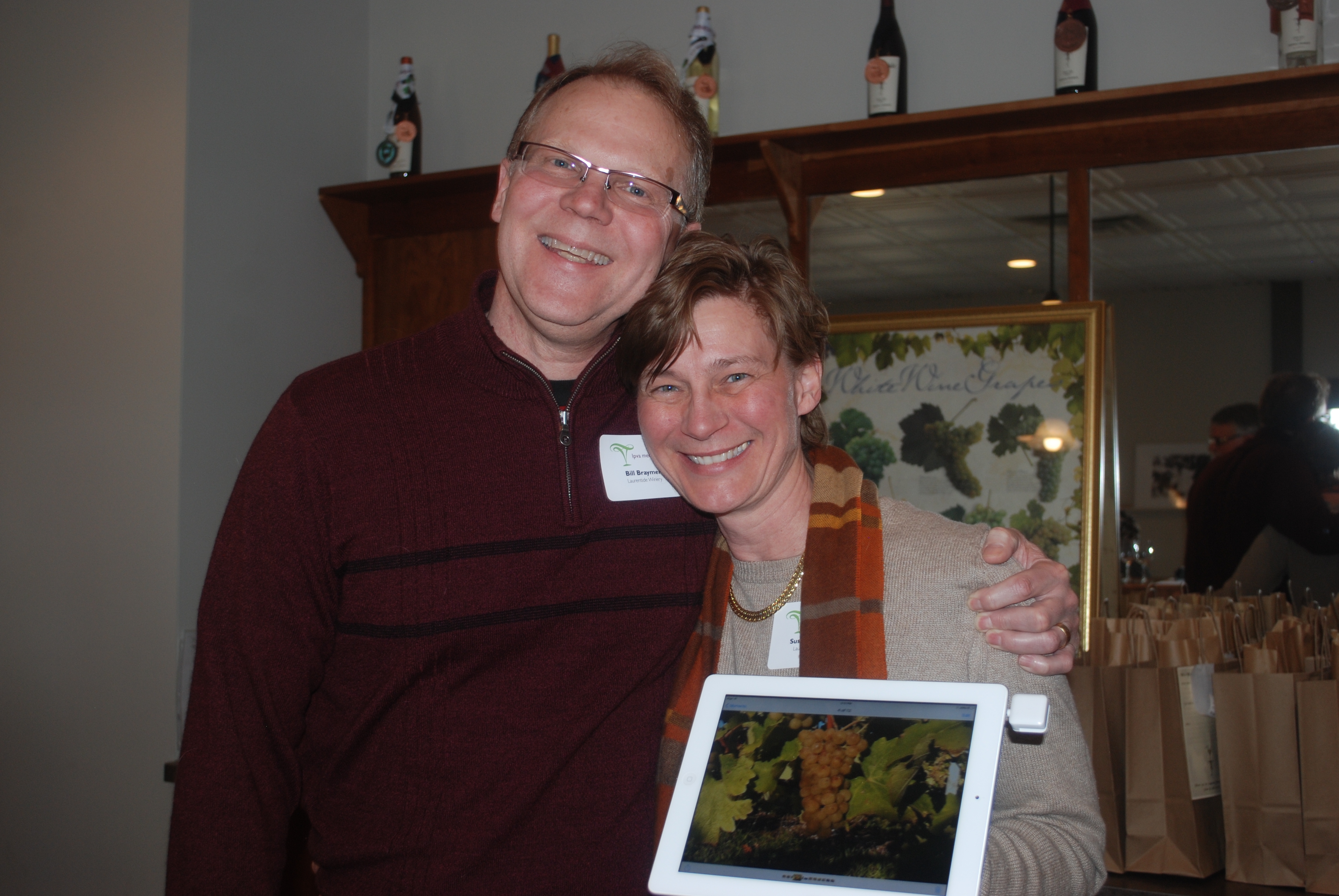
Bill and Susan Braymer, love at vine site.

Bill and Susan Braymer, love at vine site.

Up here in North Country, it’s an old formula: Boy meets girl, girls falls for Leelanau, boy (Bill Braymer) marries girl (Susan Braymer), both chillax in their spankin’ new winery.  Only here is where the plot twists:  Unlike other romance stories I’ve read, this one pivots on sauvignon blanc.  Indeed, sauvignon blanc in Michigan is about as rare as a cocktail reception at the Betty Ford Clinic, but at Laurentide, it’s the flagship grape.  Sauvignon blanc loves cooler weather and well-drained soil, for sure, but it is an early ripener and generally prefers more sunshine than Michigan is willing to ante up.  In any case, the vines require careful canopy management to succeed, and the two vintages (2012, 2013) of sauvignon blanc I tried indicated that the grapes had been tended by a judicious and knowing hand.  Both wines showed the grassy flavor foundation sought after in cool-climate versions; there was no flabbiness from excess heat and the palate displayed a soft, redolent core of grapefruit.  It’s a learning curve, and the younger wine provided substantially effusive aromatics; far more than the 2012: A sign of good things to come.   Even more impressive was Laurentide’s 2012 Pinot Noir, which was full-bodied, floral, gorgeously ripe with black cherry and sweet raspberry, suffused with unexpected depth and persistence.


Posted in Leelanau Peninsula, Michigan | Tagged , , , , | Leave a comment

Join The N.R.A. And Get A Free Ticket To The Vegan Expo

Well, not quite.  But close.  Yesterday, in the same spirit that rubba-neckin’ Bubba McCan-Koozie goes apeshit when NASCAR cars crash, I represented the Anti-Press at the annual Vegan Tastefest in Novi.

"Yee-ha!"

“Yee-ha!”

Over the years, among my fellow bleeding-heart liberals, I have been a lone voice in the wilderness, not only decrying veganism but actually collecting liberal heart-blood and passing out 1 oz. samples at vegan events throughout the Midwest.  I have marketed biodynamic, low-fat puppy burgers; I have interviewed members of other omnivorous species like birds and hedgehogs to see if they ever refuse to eat meat on moral grounds; I have installed clandestine surveillance equipment at PETA barbecues and filmed righteous vegans swatting mosquitoes; I have dressed up like Temple Grandin at the annual Lesbian, Gay, Bisexual, Transgender and Vegan Parade using mascara that was tested on preschoolers.

To Vegans, I Am Punishment Both Cruel and Unusual

Holier than thou

Holier than thou

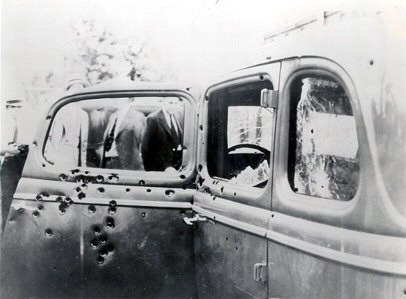
Live and let live, I say—up to, but not including, peckishness.  Is there anything that sticks in the craw more than a smug, vocal catechumen of any marginalizing lifestyle that not only is virtually impossible to maintain with any degree of integrity, but which is also based on theoretics filled with more holes than Bonnie, Clyde or their Ford V8?

There is not.

And you know I’m in good company here, don’t you?  The only time that Jesus got righteously pissed-off was when he was cleansing the synagogue of hypocrites.

And speaking of Jesus, vegans: Considering that the Dude from Galilee not only ate fish, but actually conjured them up out of thin air to feed his followers, at what point do you feel a little weird placing yourself on a higher moral plateau than God?

So, Here’s The Thing…

Thomas Wolfe on home turf.

Thomas Wolfe on home turf.

Correct me if I’m wrong:  The core philosophy of ‘veganism’ is not about diet; it is an all-encompassing world-view that supports the reduction of animals suffering and exploitation of sentient beings including insects—which is why silk (exploits worms) and honey (exploits bees) are no-nos.  Now, I could pick such a Mission Statement apart until the cows come home, but vegans everywhere would immediately argue that my points are moo (t) because having cows who need to come home exploits cattle.  And when I point out that a lot more bugs are inconvenienced every time a new soybean field is planted, let along the number of soybean weevils slaughtered when the field is treated with cholesterol-free, low-fat pesticides, they will shrug and admit that they are not ‘perfect’ and that this is still better than raising soybeans for animal feed, which is essentially ‘killing twice’—first, the weevils and then the cows who, as Thomas Wolfe warned, can’t go home again.

Beefcake for straight men.

Beefcake for straight men.

Yeah? How hard is to extrapolate from there that the true mission of every vegan should not be to ask the waiter if the wine is fined using bentonite instead of fish bladders, not to seek out flax bars that include no edible eggs in their inedible recipes, not to pleasure one’s self while looking at a nude poster of Traci Bingham painted up like butcher fodder, but instead to eradicate all predatory carnivores from the face of the earth?

Hungry meat-eaters cause far more suffering among earth’s innocent wildlife than they offset; thus, killing them once eliminates the callous murder of all organisms that would otherwise become their prey.

Get on it, vegans.  KillFest 2014.  Start with Fido and the neighbor’s enslaved Himalayan cat.  Either that, or—God forbid—your vague Rainbow Bright-like goal of ‘lessening suffering among sentient species’ is pretty much gluten-free hot air.

Anyway, back to VegFest 2014.

arm bandAt this time of year, when vegans come out of a genetically-induced hibernation caused by the lack of a winter supply of organic, local, sustainable Whole Foods fruit, they appear to be as lean and hungry as Iago, minus the honesty and macho.  In fact, vegans on the whole do not strike me as the floor model for Emily Brontë’s lauded simile, ‘Her bright cheek, as soft and pure in its bloom as a wild rose’; rather, in general, they seem wan, thin and haunted-looking.  But that’s fine—I have always had a thing for wispy, nerdy, insubstantial girls with Daddy issues; they are not nearly as intimidating as strapping, self-confident, sausage-fed Jungfrau cheerleaders.  So, in that regard, VegFest was like the all-you-can-eat buffet at Sweden House, except without the people food.

And the Fest offered plenty of deer-in-the-headlight types in pleather leggings, armpit hair peeking out from Patagonia Island hemp tank tops like April crocuses; there were relapsed hippies so militantly anti-meat-consumption that they don’t even bite their nails; there were older, well-dressed skeletors intent on staving off the unstaveoffable, and prominently, there was one exception to prove the rule: An obese person who had perhaps had made a recent, unscheduled stop at Coronaryopolis and was now trying to get back on board the train.

Meat-free sex toys at the Green Daffadildo.

Meat-free sex toys at the Green Daffadildo.

See, there are two kinds of people you generally don’t see at vegan expositions: Fat people and black people.  This is not to say that there are not plenty of health-conscious African Americans who have sort of let themselves go, size-wise, but as far as I can tell, overall, veganism is pretty much a skinny honky phenomenon.

So, at the Expo, what was the object of the affection that turned their complexion from white to Walking Dead?

Irony-fortified wax fruit on display at Eat Like You Give A Damn. I didn't.

Irony-fortified wax fruit on display at Eat Like You Give A Damn.

Such crowd-pleasers as Sarah’s Falafel, devoid of corn, milk, eggs, MSG, soy or nuts and other stuff that nobody associates with these deep-fried Lebanese ratballs in the first place.  There was a Vdalish booth selling strange, upscale vegan ice cream made from ingredients unknown, although we sleep blissfully knowing that no cows were milked in the making of the product.   And Max’s Granola, which is actually quite good, and has a backstory so touching and sad that I urge you to research it and buy some—I’d fill in the poignant details, but I am right in the middle of being a smart ass, thank you very much.

The N.R.A. Connection…

I titled this tome with an allusion to gun nuts, which if they were food, would technically be on a vegan’s menu.   But in 2014,  are there two more archetypally divisive cults than tree-stand hunters and tree-hugging vegans?  Unless it is militant Pro-Life Christians and that restaurant in Lower Manhattan that uses aborted fetuses as pizza topping, I’d say not.

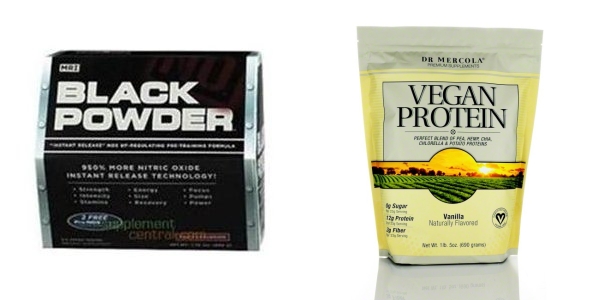
Clipboard powderHolsters vs. holistics, cordite vs. Vegemite, combustion vs. compassion, MRI Black Powder vs. Mercola Protein Powder—if it comes to blows, the smart money, of course, is on the boys with the AK 47s.  But what in the world were the owners of Suburban Collection Showplace thinking when they booked the Michigan Arms Collectors Exhibit into the hall directly next to VegFest 2014?

I see—it’s a profit game and they were thinking cash flow.  The same motivating factor that inspired the sponsors of VegFest to charge me ten dollars for a ticket to wander around gawking and stalking and squawking smack among the assholier-than-thou.

And yes, there was an N.R.A. booth set up between the two events, with Cracker McBeavertail—a semi-literate, semi-automatic-owning semi driver—advertising ‘free admission’ if you were willing to commit to a year’s paid membership to the National Rifle Association.  When I asked him if my free ticket would also cover VegFest 2014, he looked at me as if it was moi, not hoi, who was batshit insane:

“You think if a dude’s wife makes him go to a vegetarian festival she’s gonna let him buy a gun??!”

Soup's on!

Soup’s on!

True dat, Sir Douchalot, which is why I have a love/hate relationship with both of these flake-fringe factions.  Although, as the vegans confess, I too am an inherently imperfect creature who admits membership in some crackpot cults of my own, including the one that believes in capital punishment, but only if the bodies of the executed are used for food.

Onward and upward, droogies.

Posted in GENERAL | Tagged | 3 Comments

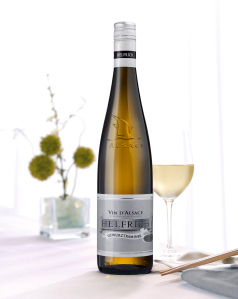
Helfrich Produces No Dogs, Thank You Very Much

I know a wine writer who berates other wine writers who use the ‘A’ word.  I won’t give her name, but I will say that she resembles a yeti, and not in a wholesome, Julia Child sort of way.

A trio of Michigan wine writers in their native habitat.

A trio of Michigan wine writers in their native habitat.

Now, my baby momma daddy, who doesn’t resemble a yeti but who would likely represent yeti in a class-action lawsuit against The Discovery Channel, also objects to the ‘A’ word.  And in terms which a fellow lawyer might describe as a violation of Michigan Penal Code 750.102: Willful blasphemy of the holy name of God. 

Both of these law-savvy, wine-knowledgeable intellects are ‘Type A’ alpha dogs who generally bring their ‘A’ game to the table, so it was with a sense of profound relief when the ‘A’ word slipped effortlessly, again and again, from the honeyed lips of Anne-Laure Helfrich—one pretty yeti.

Lawyer

Lawyer

The word is ‘Alsatian’.  And Anne-Laure Helfrich—who is Alsatian—uses it to describe her nationality, her wines, her language and also, to refer to that breed of dog known elsewhere as a German Shepherd.

See, that’s the only time the above-referenced, self-appointed know-it-alls believe the word ‘Alsatian’ should be used.

Arf-Free Dining

Anne-Laure Helfrich. I know, right?

Anne-Laure Helfrich.
I know, right?

Anne-Laure is not a dog.  In fact, Anne-Laure is arguably the most un-doglike vigneronette in the entire global wine kennel.  She makes her first-runner-up, Ivy du Toit of Jason’s Hill Winery, look like Sweet Polly Purebred after a botox bungle.

As a red-blooded Alsace-lovin manchild, breaking bread with Ann-Laure (at the same suburban restaurant where Jimmy Hoffa disappeared when I was a kid) was an experience that a more literarily-inclined hack might refer to as ‘a droll and delightful diversion’.

So long, Mr. Hoffa.  We hardly knew ya.

So long, Mr. Hoffa; we hardly knew ya.

And, speaking of kids, turns out that Anne-Laure has never heard of Hoffa, dating me dreadfully, which is probably how I would have dated Anne-Laure.

So, with the ice broken, then re-frozen, we moved on to her wines, and do you what?  Enough with the ‘A’ words already.


Anne’s Awesome Alsatian Array at Andiamo’s: Aromatics, Acidity and Affordability

Alsatian vineyard.

Alsatian vineyard.

Helfrich Family Winery teeters on the tippy-top of Alsace, that marvelous slice of vinous Valhalla wedged between France and Germany.  Scarcely two hundred miles from top to bottom, the region straddles Lorraine and the Franche Comté to the west and the upper Rhine to the east, celebrating a wine style that can fairly said to be a fusion of both traditions and creating synergies that are occasionally greater than either.  By law, focus is on specific varieties—mostly whites and a single red.  Pinot noir from the appellation can be a tough swallow, however, often tannic and oaky; nothing to rival German spätburgunder and not even in the same ballpark as Burgundy. That said, the Alsace ‘serious’ red wine tradition did not begin until the 1980s, whereas the superlative whites have been around since the land was called Austrasia.

Perched on the cultural crossroads, influenced by the Franks and the Teutons, the wines pays them equal homage.  Like the Germans, the lauded whites are made from riesling, gewurtztraminer, pinot gris, pinot blanc and sylvaner (with muscat accounting for around 3% of vine plantings).

Like the French, these wines are vinified dry, except in late harvest version known as Vendange Tardive (in Germany, these would be classified Spätlese) and Sélection de Grains Nobles, botrytis-infected grapes, similar to a German Beerenauslese.

In Alsace, the name of the varietal is listed on the label, and like the Germans, wines are bottled in flûtes d’Alsace, which resemble the narrow and elegant vessels of the Rhine.

Rich Helfrich History

King Childebert II; wine-lover, wop-hater.

King Childebert II; wine-lover, wop-hater.

The Helfrich family has been producing wine in Northern Alsace for six generations, while the vineyard itself, called Steinklotz, has been around since 589 AD, when King Childebert II was still lopping off the heads of Lombards.  It is situated at ideal elevations ranging from 600 to 1000 ft, and soils are composed of a scant few inches of loam over a base of calcareous bedrock, helping it to retain heat.  Like all vineyards in Alsace, Steinklotz is  dry-farmed, but unlike most, it has been awarded Grand Cru status—a coveted AOC designation enjoyed by less than 5% of the region’s vineyards.

We sampled a selection from both the Grand Cru Steinklotz Vineyard and the lower-end Vin d’Alsace line made from grapes sourced from the Couronne d’Or Vineyard Association.  With a single surprising exception, all the wines showed clean balance, pure fruit and the explosive aromatics and grape integrity that Alsatian wines display, occasionally to to exaggerated levels.

It was the Grand Cru Riesling—often the flagship of an Alsatian portfolio—that left me less than transmogrified.  So I won’t dwell.  Suffice it to say that the wine, vintage 2012, was a solid offering, showing a slight rubberiness typical of a younger, cold-climate riesling; wet stoniness was there along with some mandarin orange notes, although in moderate doses.  From any other region, I would have sung its praises louder, but the bar for Alsace riesling is set Olympian high.

The others made the hurdle on the first try, especially the entry-level ‘Noble Varieties’ from Couronne d’Or.  Pinot Blanc 2013 made a striking frontal assault in the way that this variety can in chilly northern Europe.  Strong, lively scents of Bosc pear blended with softer apple and blossom notes, washing over the tongue with bright, oak-free persistence.  Pinot blanc is considered an ‘everyday’ wine in Alsace, which is not to dumb it down, but to suggest that you could easily drink this wine on a daily basis.

helfrich-gewurz-corePinot gris also finds a resonant voice in Helfrich’s cellars—a voice that is both operatic and hedonistic.  Rich, smoky, tinted with ripe, almost bruised apple flavors along with peach jam, the wine screams for a side of native Alsatian foie gras, a delicacy for which the region has been known since the 17th century.  Like the rest of the line-up, Noble Varieties Pinot Gris 2013 undergoes a membrane press and a cold fermentation, after which it is cold settled in stainless steel and racked on lees.  Neither is there so much as a splinter oak in the Grand Cru cuvée, and the fruit intensity redoubles.

Would that the producers had taken their own advice.

Would that the producers had taken their own advice.

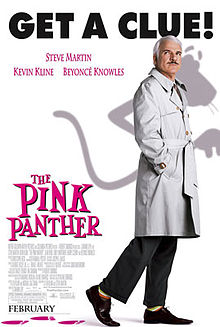
For my palate, attempting to produce gewurtztraminer outside of Alsace is a fool’s game.  I don’t care how talented the winemaker is or how heralded the vineyard, nobody has ever come close to maximizing the incredible potency of this grape like like the Alsatians in their narrow strip of medieval France.  It’s like that time that decent filmmakers decided to remake the un-remakeable Pink Panther using Steve Martin in place of the irreplaceable Peter Sellers.  Martin is a comic genius, of course, but dudes; why?  If it ain’t broken…

Like the movie, most non-Alsace gewurtztraminer tends to be shadow wine; a poor imitation of the archetype.  With Helfrich’s entry, a shimmery symphony of lychee, honeysuckle, citrus peel and grapefruit define a classic exemplar, drawing marvelously from an ideal terroir.

The two tiers of Helfrich wine retail for $15 and $28 respectively, and stand up beautifully to reference-point Alsatian wines—Trimbach, Lucien Albrecht and Zind-Humbrecht.

Yeti Grable

Yeti Grable

The Indomitable Snowchick

As for Anne-Laure, who also stands up beautifully, same as she sits down, I suppose my chances with her—the Betty Grable of the yeti stable—are about as good as any other snowball’s in hell.

In other words, about the same as my chances of finding Jimmy Hoffa.

Posted in Alsace, FRANCE | Tagged , , | 3 Comments

Bret Wine Never Tasted So Fine

Can you guess why Mel Practice opted out of a career in medicine?

Of course you can.  Same reason that the Scheister Brothers don’t have a law firm or why Sam ‘n’ Ella don’t open a sushi bar.

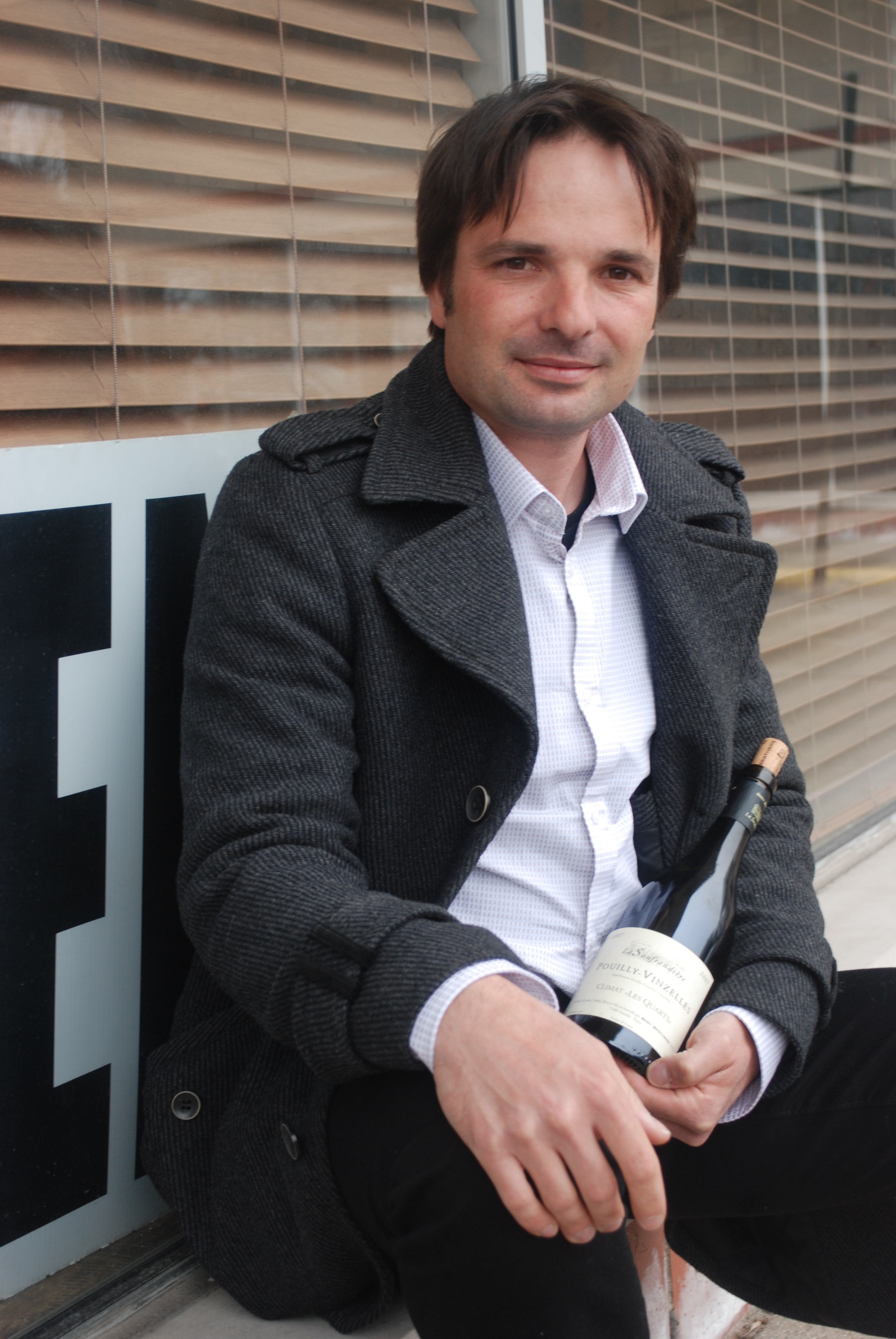
Jean-Philippe Bret, shown actual size

Jean-Philippe Bret, shown actual size

So, when I interviewed Jean-Philippe Bret at The Fine Wine Source last week, the gorilla in the room was not Jean-Philippe, who is scarcely bigger than a lemur,  but the question of why, with a name that is synonymous with cork taint—the bane of winemakers everywhere—he opted into enology.

Turns out that the old adage is proven out once again:  ‘You can’t choose your parents’.

Bret Brothers of Vinzelles

First, The Stage:  Vinzelles is a tiny village in the tail-end of Mâconnais, which is in the tail-end Burgundy, and a close neighbor of the better-known commune of Fuissé.  Both Appellations d’Origine Contrôlée borrow a hyphen from etymology and a sense of identity from the town of Pouilly.  Pouilly-Vinzelles is, by law, white wine made exclusively from chardonnay.  It is ludicrous small, with less than 130 acres planted to grapes (despite the word ‘Vinzelles’ being rooted in the Latin word for vine)—the rough equivalent of a couple of shopping malls.

Next, The Props:  The soil of Pouilly-Vinzelles is primarily limestone and clay, a perfect environment for otherwise easy-to-please chardonnay.  Bret grapes are hand-picked from old vines (40 years, on average) and the brothers produce around 3000 cases per year.  Since 2000, the brothers have been loyal to sustainable agriculture with seven of their wines certified organic.

The brothers three.

The brothers three.

Now, The Players:  Jean-Philippe is the eldest of a trio of Bret brothers; Jean-Gillaume and Marc-Antoine are the other two, and after hearing about their combined 22 vinous acres in Mâcon-Vinzelles, Pouilly-Vinzelles and Beaujolais-Leynes, I have come to this conclusion: Dudes, you are overdrawn at the hyphen bank and need to cut back on the punctuating. STAT.

La Soufrandière

La Soufrandière

Finally, The Curtain-Raiser:  The Bret Brothers currently produce eight wines from their La Soufrandière estate, including a single red, made with gamay and released under the label ‘Beaujolais-Leynes’ to indicate the small, granite-soiled commune nestling at the crossroads of Beaujolais and the Mâconnais.  Despite its Beaujolais assignation, the wine is brooding and earthy, although on a different scale than a Cru Beaujolais—not as complex, perhaps not as elegant; a very old-school red from the area.

That said, the Bret Brothers chardonnays I sampled were universally appealing, and displayed the characteristic freshness and minerality that make whites from this region bracingly delicious.

The Bret house style favors a deep citrus profile, beginning with lemon peel and finishing with white grapefruit.  Oak is restrained, present only as a nod, not a wallop, allowing the terroir’s inherent minerality to hold court.  These wines are sold young and generally consumed young, but the spine of acid suggests that they’d be better at four or five years old.   Wines of this kind develop delightful nuances as the mature—overtones of hazelnut and buttery oatmeal that begin to superimpose themselves above the citrus.

Is Jean-Philippe Bigger Than A Bret Box?

LEMURFair question.   Jean-Philippe is actually larger than even an extremely well-nourished lemur, though not as big as a silver-backed mountain gorilla on a hunger strike.  As the affable heir and spokesman for the house, he takes such jokes in stride (I hope), in part because he is good natured by good nature, and in part because his English is somewhat challenged.  He acknowledged the grotesque irony of his name, and added—to my delight—that the estate, La Soufrandière, translates to ‘sulphur mine’, which would also be an off-putting moniker in the wine world.  In fact, the bon mots flew with such abandon that I dared not—repeat, dared not—ask him if his first name was short for Jean-Phylloxera.

*

http://www.bretbrothers.com/en/vinssoufrandiere.php


Posted in Burgundy, Chardonnay | Tagged , | Leave a comment

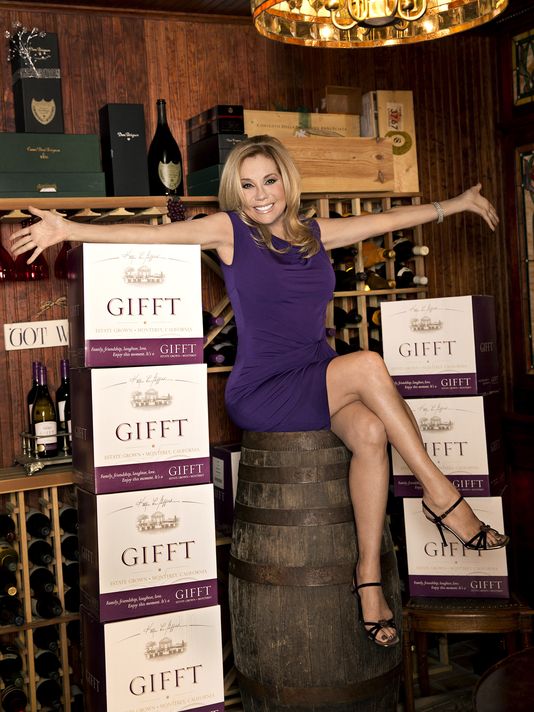
Relax, Wine Business: Kathie Lee Has Arrived

cavalryThe global wine industry—beleaguered by the recent recession, fickle vintages, lazy retailers, semi-literate historiographers and the idiotic 100-point scoring scale—may be likened to the Frankish army at Anatolia, Wellington’s forces at Waterloo, the 2nd Ox at Pegasus Bridge or Gandalf and Pippin at Minas Tirith.

What these sad sacks needed—what we all need when times get rough and Paul Simon is laying himself down with groupie squish instead of over our troubled waters—is the cavalry.

But who will lead that charge against the Forces of Eno-Dullness?  Who will be the deus ex machina swooping down on the vineyards in the play’s final act?  Who will be our Knights Templar in Asia Minor, our Marshal Blücher in Belgium, our British Commandos on D-Day?

kath‘Horns, horns, horns; great horns of the North wildly blowing. Rohan had come at last!’ The Return Of The King

I’ll tell you who:  She’s sittin’ pretty in the fourth hour of Today’s Talk, right alongside Hoda Kotb—a name that looks like the nurse who typed out the birth certificate had her fingers on the wrong row of keys.

Million-Dollar Smile and Gams That Just Won’t Quit

Kathie Lee Gifford’s resume is pretty daunting.

kath and frankYou see, some women are born great while others have Frank Gifford’s greatness thrust into them.  But that would his first wife or perhaps Johnny Carson’s wife or that flight attendant he was schtupping on the QT.  Kathie Lee may have come to Frank’s boudoir as sloppy seconds, but her hefty pedigree was already in place—including babysitting for Anita Bryant, performing the sing-a-tune on Name That Tune with the other mentally-challenged Kennedy, Tom, and being Regis Philbin’s long-time straight-man.

And by straight-man,  of course I mean in the Anita Bryant sense, because even though her bio lists among her life skills (besides songwriting, acting, and hosting) stand-up comedy—emphasis mine—I think that even the most ardent Gifford fan, and I count myself among them, find her about as funny as a necrotic scrotal ulcer.

“Oh geez, Martin. I thought I read that her career was dead…”

Well, strike that.  It was moderately good situational humor when she interviewed Martin Short in 2012 and kept inquiring about his wife, who she apparently forgot died in 2010.  But that was improv.  It was funny when she sang ‘If you could see me now, out on a Fun Ship cruise’ for the company that owned the fun-free Costa Concordia.  And, it was moderately giggle-worthy when she burst into crocodile tears when it was revealed that her K-Mart clothing line was made from the sweat of Honduran pre-schoolers.

But (God bless her lily-white badonkadonk), I think we can agree that Kathie Lee Gifford is to stand-up comedy what drag queens are to Victoria’s Secret models.

Wine’s a Different Kettle of Squish

Well, wine ain’t funny either, Kathie; so, it’s right up your alley.

kathie with wine casesOf course, most of her on-air imbibing is done via computer-generated special effects, since if you pester guests about dead people when sober, there’s no telling what you might bring up drunk.

Nonetheless, she is quite proud of her staged wine drinking persona, and even more proud of her latest venture:  Her very own line of GIFFT wines, not made by Honduran orphans, but by Scheid Family Wines in Monterey Country.

After all, as the besieged Texans at the Alamo knew, as the encircled Red Army at Stalingrad knew, as the wee Halflings on Mt. Doom knew, what the world needs now is another celebrity wine label.

Clipboard muskrats“It’s well documented that I am a wine lover,” Kathie Lee gushes like a muskrat in heat, explaining why she entered the wine trade. “I wanted to create wines I would want to drink and serve to friends in my home—an elegant chardonnay like those I tasted in California in the 1970s.”

Interesting choice of varietal and decade, considering that California chardonnays in this period were benchmarked by Chateau Montelena Chardonnay 1973, which bested some top white Burgundies at the famed ‘Judgment of Paris’ competition.  As a result, many of the wines soon bopping around in Kathie’s pay grade were overly alcoholic knock-offs; heavily oaked and vanilla-flavored wood juice that was even harder to swallow that the price tags.

Elegance is a subjective descriptor, I suppose, so between me and the wall, I always thought ‘The Giff’ was a rather inelegant meathead myself.

60th Primetime Emmy Awards - ArrivalsAnyway, Kathie partnered up with the Scheid Family Vineyards, which I expect means she threw a bunch of money at them,  since the ‘vineyard’ is essentially a custom crush brand builder who will cash your check and hand you your wine.  And voila:  Beside the chardonnay, Kathie Lee has released a Shied-made ‘blend’ that she can spill all over the red carpet when the Emmys roll around.

Further distancing herself from actually drinking wine, Kathie Lee recently told USA Today, “That glass in front of me on TV most mornings sits as a prop.  It’s a prop which basically says, ‘Party with us. Come join the party.’  That’s really all it’s there to do.  I mean, I don’t drink at 10 a.m…”

That makes one of us, Kathie.  But coolaballoolies, baby; I expect that your new venture is also merely a prop, so that you can wedge ‘winemaker’ between your equally ludicrous titles ‘songwriter’ and ‘comic’.

I can’t review the product because nobody has sent me any samples, but not for nothing, Kath—have your girl call my girl, because I’m not one to look a GIFFT horse in the mouth.

To be continued… (?)

Posted in CALIFORNIA, GENERAL, Monterey | Tagged , | 1 Comment

You’re A Good Manic, Stillman Brown

As a man of honor, as well as the kind of ‘showman’ wine writer who is willing to go to any length required to keep you, the reader, on the edge of your seats—up to (and including) transgressive acts, coprophagia, self-mutilation and physically attacking you in public—I will hereupon reveal one of my darkest, most shameful secrets.

No, it is not my history of drug abuse, my mile-long police record, my multiple divorces (one from my first cousin) or my several outstanding felony warrants for selling ketamine to Girl Scouts.  It’s much worse than that, mah neezy:  I have a degree in psychology.

Suicide is painless, professor.

Suicide is painless, professor.

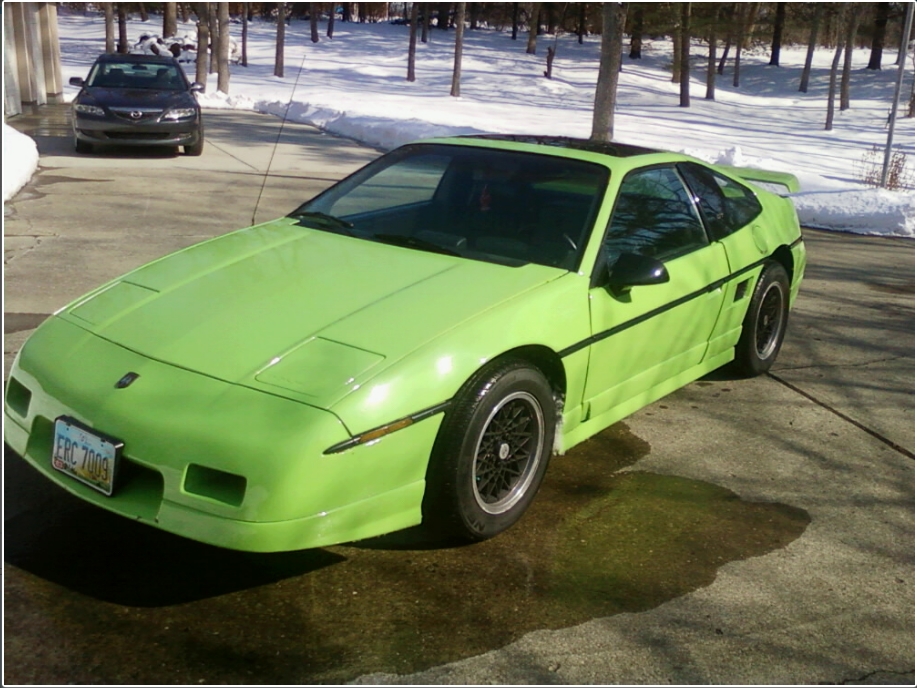
As such, when called upon to review a trio of outstanding releases from the obsessive-compulsive Paso Roblan winemaker Stillman Brown, I recalled an infantile exercise I was once required to do by some namby-pamby prof who drove a lime-green Fiero.*

* Sidenote: Remember the time before they invented lime-green Fieros when you actually had to get to know people to find out they were douchebags?

Anyway, the assignment was to write a paper entitled The Charlie Brown Theory of Personality, which the professor totally ripped-off from The Five Factor Model pioneered by such mid-engine, pseudo-sports-car-driving weenies as D. W. Fiske and Raymond Cattell.  In it we were tasked to psychoanalyze various characters from the inexplicably popular comic strip Peanuts and see who fit into which of the five ludicrously condensed ‘personality variables’: Neuroticism, extraversion, disagreeableness, openness to experience and conscientiousness.

Which played out, in case you are interested (I’m not and I wasn’t), in order, as Charlie Brown, Snoopy, Lucy, Linus and Schroeder.

So, being as lazy as I am hard to convict in a court of law, I thought I might save myself the trouble of reviewing the freebie wines and instead, revive that tired old format to see which of those ‘gauges of emotional stability’ might best be employed to describe Charlie Brown’s brother Stillman.

The results?  Well, my droogies, suffice to say that they surprised even an old, beaten-down, world-weary, Kelly-Green-Ford-drivin’ cynic like yours truly…

The Stillman Brown Theory of Personality

ClipboardNeuroticism:  He is a model neurotic. He is prone to spells of contemplative depression and paralyzing fits of over-analysis when it comes to the contents of his wine barrels. Constantly worrying about covering the note on his million dollar ocean-front pad, he nonetheless refuses to cut corners on his winemaking, such as using a hose instead of jugs of Absopure when he waters it down.  He has a perpetual crush on the little bob-headed Cajun girl, taking small joys in her foibles (like dressing him in lime green and dying his homeschool-hair platinum) that may make her more attainable. He is noted for his inability to fly a dirigible.

Which character am I?  Stillman Brown.

Clipboard snoopyExtraversion:  He is a typical extravert and, having slept through Color Theory class, he may be seen wearing tartan pants with a lime-green smoking jacket.   Flamboyant, daring and outgoing to a fault, he tries to join in every activity and steer every conversation toward political science in order to justify his own college degree, which is even less justifiable than mine. He undertakes gallant, but fictitious missions in an Ultralite wherein he is able to extinguish the Hindenburg fire just as it starts, thus saving the humanity, the humanity.

He is Joe Cool, the life of the party, or at least, he lives in the house where we party because the garage is full of Chateau d’Abalone.

Which character am I?  Stillman Brown.

Clipboard lucyDisagreeableness:  Exemplifying the word ‘crabby’, he revels in his disagreeableness by engaging in pointless warfare with strangers on social media. Typical portrayals feature him bossing around bartenders, dominating wine competitions, mocking ThinkProgress Democrats and generally being a pain in the badonkadonk. His attempts at psychiatry generally involve misguided advice delivered loudly and angrily while jawboning a cigar that looks like something you’d see between legs in an NBA locker room.  One recurring interaction is when he offers his recovering alcoholic interviewer a pretend club soda which is, in fact, laced with Everclear.  Writer goes on three week bender, loses his job and family, and he preens.

What character am I?  Stillman Brown.

Clipboard linusOpenness to experiences:  He is clearly the brightest person west of the Mississippi River.  Witty and knowledgeable, he is prone to passionate, if stifling dull socio-political monologues and is totally immune to having the living shit chuckled out of him afterward.  He has invented his own God-like creation, The Great Zeppelin, and faithfully malingers at the mooring mast in Lakehurst, New Jersey every May 6 waiting for it to appear, which it never does.  He has his own idiosyncrasy, an ever-present ear tattoo, but he does not seem particularly sensitive about it; it’s just ‘who he is’.

Too old to pursue physically challenging things, he must instead use his intellect to mull over new and interesting adventures.

What character am I?  Stillman Brown

Clipboard schroederConscientiousness:  He is borderline lovable, but most casual drunks know him for one thing: His ability to turn grape juice into wine. Other than the incomparable Alexis, certain girls suffering from Usher Syndrome have been known to have crushes on him, but he will have none of it.   Disciplined and focused in his passion for classical enology, one can imagine him setting his alarm clock for two AM on weekends to check the progress of a stuck fermentation one more time.  Checking, yes; actually fixing the problem, not so much.  He is generous to a fault, and would offer to turn off the automatic sprinkler when he forces you to sleep in his yard; he would give you the shirt off his back, which, being a hideous lime-green-like color not found in nature, you wouldn’t accept were you unclothed in the Valley of the Shadow of Death in January.

What character am I?  Stillman Brown.

Of course, children—it goes without saying that you should not try this dangerous level of psychoanalysis at home.  Leave it to those of us who have been certified in Contemporary Metapsychology Cognitive Behavioral Therapy and have been tested using dummy patients in a fake clinical stage set.  Or who, at very least, have taken a brainsmithing course in trade school.

Enolytic Progress Notes:

Disclaimer:  I believe that documenting the structure, sensory impression and price of a wine seriously alters the drinking process and conflicts with fundamental dypsoanalalytic skills.  However, faced with ATF pressures to comply with state laws, I now record dynamic recollections of a buzz to clarify not only what took place while I was up-ending it, but also to indicate that certain conditions and events did not take place.

Stolen photo.  If I had taken it, I would have gotten the vintage right.

Stolen photo. If I had taken it, I would have gotten the vintage right.

Chateau d’Abalone Verdejo, Paso Robles, 2013, around $20:  Patient appears pale: HTML hexadecimal number #FFFF31, ‘Daffodil’.  Wine functions well on the olfactory level, showing tropical dementia with distinct delusions of being made from mango and pineapple, although balanced by more healthy grounding in good old American Bosc pear.  Precocious development in a wine so young; a diagnosis of Lolita Complex seems warranted.  A sexually salubrious drinker may wish to wait until the wine has attained statutory acceptability, although priests and Gary Glitter fans will not want to cellar it for more than an hour.

Stolen photo.  If I would have taken it, I wouldn't spilled the shit.

Stolen photo. If I would have taken it, I wouldn’t have spilled the shit.

Pink Zeppelin Dry Rosé, Paso Robles, 2013, about $20:  Gender dysphoria is a preliminary diagnosis:  Wine is incorrigibly and wantonly pink, a color that in Western culture symbolizes femininity, sensitivity, tenderness, whereas über-mannish ‘Zeppelin’ connotes National Socialism and death from above; juxtaposing the two is the wine equivalent of Herman Goering pissing rainbows.  Wine displays multiple personality disorder as—depending on the session—grenache, syrah, mourvedre and cinsault each emerge as the dominant identity, manifesting creamy strawberry, ripe watermelon and finally, grapefruit.

Stolen photo.  If I would have taken it, there would have only been one bottle because that's all that cheap fuck sent me.

Stolen photo. If I would have taken it, there would have only been one bottle because that’s all that cheap fuck sent me.

Colossus Syrah, Paso Robles, 2012, around $50:  I confess to misdiagnosing this patient, and all the subsequent mayhem is down to me—up to (but not including) medical malpractice suits.  During our first session, the patient showed the textbook symptoms of megalomania, more commonly referred to as ‘narcissistic personality disorder’.  Patient believes he is the Greek Titan Helios somehow transported from Rhodes to Morro Bay (possibly in pieces, like the Statue of Liberty) and manifested delusion of grandeur in the fixed belief that he possesses superior qualities in strength, power and general scrumptiosity.

In fact, during our second session, I delved deeper into the subject, by which I mean I opened the bottle and drank from it, and concluded that all the ego, sense of omnipotence and grandiose delusions are justified.  This wine is indeed superior to all other Paso Robles syrahs, and me and the Titan just rented a room at the Farmhouse Motel.

Posted in CALIFORNIA, Paso Robles, Syrah/Shiraz | Tagged , , , | Leave a comment