Mexican Wines: Wake up to the Baja California

If I suggested Mexican wine for any occasion, let alone Cinco de Mayo, you’d probably reply ‘bah’.  Or laugh in my face—hah!

Go ahead and do it.  Both ways—loudly.  Shout Baja.

What’s been going on down there, less than a hundred miles from San Diego, is remarkable for a number of reasons—not the least of which is that even the most anal cork dork doesn’t know much about it.  And yet the story of winemaking in this temperate, Mediterranean-climed peninsula, which hangs off California USA like a cecal appendix, is basically a continuation of Napa/Sonoma wine history.  Vines were planted here by the same Spanish missionaries that established outposts up and down the whole North American coast as Spain attempted to secure the area against encroachment by other land-hungry Europeans.

By the way:  Epic fail, muchachos.

The first vintage came out of Baja’s Mision de Santo Tomás during the 1790’s, so with more than three hundred years of experience under their monk’s belt, it seems that the region might be overdue for a little street cred.

Ergo:
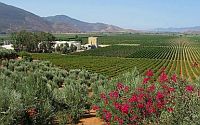
With apologies to the good Dominicans, Baja wine served well as a sacramental Sunday snort for centuries, but winemaking did not become a world-class operation until the early 1970’s when Casa Domecq was founded in GuadalupeValley.  Vinicola L.A. Cetto set up shop nearby, and today, they are the top two wine producers in Mexico, responsible for more than half of the country’s entire output.  Toss in a bevy of boutiques like Vinos Bibayoff (the only Baja winery run by decedents of the Molokans, the Russian religious group who settled in Mexican wine country back in 1905), Casa Valmar, Monte Xanic,San Antonio and Mogor-Baden and you’ve got a quick who’s who of quality viticulture south of the border.

Baja is subdivided into three distinct wine regions, the San Antoniode las Minas (which includes the Valleys of Guadalupe and Calafia), San Vincente Valley, and Santo Tomás Valley.  Key to success—such as it is—has arisen from the Baja tradition of innovation and an aggressive, often iconoclastic approach to winemaking.  Varietals like chenin blanc thrive here, as does chasselas—a Swiss grape grown hardly anywhere else in the world.  Reds range from chewy Mediterranean standards like nebiollo and garnacha to more austere cabernets, but as visionaries, the locals are not adverse to tradition-busting blends like tempranillo and cab.

Since these wines are not yet widely available, a trip to Baja may be the best way to get a wine-lover’s handle on these unusual, well-crafted offerings.  August would be the month to do it; by then, the flu will have flown, and it’s the month of the Baja California Wine Festivals (Las Fiestas de la Vendimia).  And I mean the month—winery and restaurant-sponsored celebrations run continuously from the first to the thirty-first.

Meanwhile, after three centuries, the Mexican wine industry is undergoing birthing pains as they try to convince Californians to sample their wares, just like Californians once tried to convince know-it-all New Yorkers to drink Napa—like today’s New Yorker is scrambling to convince snobbish Californians not to give Finger Lakes wines the finger.
Naturally, the whole cluster bleep could be resolved if we would all drink copious quantities of everything available and just shut up.

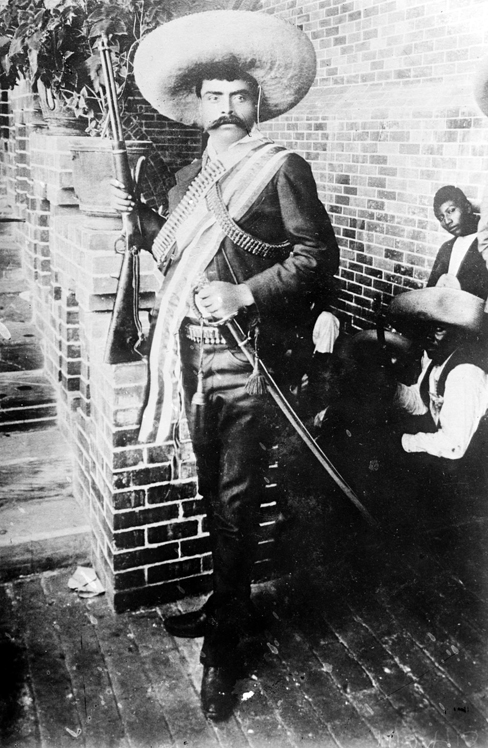
So, happy Cinco de Mayo and Viva Zapata!, which I believe means that I hope my shoes live forever.

TASTING NOTES:

L.A. Cetto Petite Sirah, Baja, 2006, about $8: A great wine for the money—inky and filled with blackberries, blueberries, an elusive hint of sandalwood along with pronounced minerality and balanced tannins.

Monte Xanic, Chenin Blanc/Colombard, Baja, 2010, about $10: Frankly, since the colombard content is negligible, it’s anybody’s guess why it appears on the label unless the proprietors are all from Monte Xanax.  Slightly sweet, creamy, with tropical fruit on the nose and a peachy palate with a squirt of lime.  A glugger, but a good one.

Vinas de Camou, Fumé  Blanc, Baja, about $8:  Probably not a wine for devotees of ‘grassy’ sauvignons—this one showcases the grape’s tropical tan: passion fruit, grapefruit and guava with a crisp, supportive acidity.  Fermented entirely in new french oak, the wine showcases the toasty wood behind the fruit.  It’s a bit unbalanced, but it’s also seriously inexpensive.

Casa de Piedra Arenal Ensemble, Baja, 2005, about $40:  An ‘experimental’ blend of cabernet sauvignon, merlot, barbera and petite sirah that highlights both the rich black fruits of cab and merlot and the spice and earthiness of barbera and PS along with eponymous mineral notes—piedra means ‘rock’ in Spanish.  Nicely oaked with aging potential, but lovely tonight with a slab of Mexican livestock.

Posted in Baja | Leave a comment

Kamiak Wines Play Hail to the Chief

You know how there are these online translators like Babel Fish where you can paste some alien gobbledygook into a text box and it gets instantly converted into English?

I’m thinking of launching a translator where you can convert ‘press release’ into English.

For example, you’d plug in this phrase from the recently released vintage of Kamiak wines: “The wine is a quintessential example of originality in the vineyard coupled with the artful blending of multiple varietals to achieve a light, approachable wine that showcases the best of its individual components.”

And immediately, you’d get the English translation:  “We had some leftover grapes we didn’t know what to do with.”

I joke, but the 2008 Kamiak ‘Windust’ white is the culmination of what Gordon Brothers Family Vineyards calls an ‘odd’ harvest—a cold wet spring that heralded a cool wet summer which led to a chilly wet autumn.  As such, the gewürztraminer that would normally go into Kamiak as a sugar-level enhancer was instead made into ice wine.  A block of late harvest sauvignon blanc was then substituted to boost residual sugar—otherwise, this vintage of Kamiak white is mostly made of traditional-harvest sauvignon blanc fattened up with about 10% chardonnay.

Both the red and white Kamiak label offerings are proprietary blends that the Gordon Brothers intends to retail at around ten and fifteen dollars respectively.  It’s understood up front that the grapes that go into them may change from year to year based on what’s available—the 2007 red (designated ‘RockLake’)  is a blend of cabernet sauvignon, merlot, syrah and malbec.  No issues with that; it’s a clever use of handy components, and the Kamiak twins usually taste pricier than they are.

Incidentally, the name ‘Kamiak’ refers to the Native American chief who led the Yakama, Palouse, and Klickitat tribes during the 19th century and who is credited with agricultural innovations including irrigation in theColumbiaValley.

Kamiak’s trick-of-the-trade is being used to this day by wineries all over southern WashingtonState.

Paying homage to Kamiak and company, the Gordon Brothers say, “This wine is a tribute to our predecessors. Without them, we would not have the technology and skill that have made theWashingtonwine industry what it is today.”

True dat!—or the land either.  In fact, in 1855,WashingtonTerritorygovernor Isaac Stevens threatened to remove Kamiak and his fellow natives from their ancestral land by force if they didn’t sell it to him, leading to the bloody Yakima Indian War.  Kamiak was the only chief who refused to surrender; he escaped toBritish Columbia.

After he died he was decapitated and his head displayed as a public curiosity.

So I’ll run another phrase from the Kamiak press release through the Kassel Fish translator: “Thanks to those who came before us, we have the ability to grow grapes of character, intensity and distinction in the sun-drenched Columbia Valley.”

It comes out, “Sorry about that, Chief.”

Tasting Notes:

Kamiak ‘Windust’ White, Columbia Valley, 2010, about $10:  Pretty crushed-flower  nose with tangerine and grapefruit peel; slightly sweet and balanced with vibrant acidity wet stone flavors pick up and last through the surprisingly long finish.

Kamiak ‘Red Rock’ Red, Columbia Valley, 2008, about $15:  The wine’s cabernet core is reflected in licorice and cedar notes; syrah offers some blackberry, merlot plum and malbec dried cherry and a little coffee.  A nicely layered wine for the price.

Posted in Columbia Valley | Leave a comment

Bourbon: Born in the U.S.A.

'When I drink alone, I prefer to be by myself.'

Lincoln’s father made it for a living.  Ulysses Grant gulped it in the oval office.  Does George Thorogood, that red-blooded all-American ax-man, drink alone? Naw, he sits with his buddies Jack Daniels and Jim Beam.

Slug one for ol’ Glory: Bourbon is the only distinctly American liquor ever produced.  It’s as patriotic as apple pie,  as American as letter bombs.  It’s the classic patriot’s spirit—golden, smoky, sweet, and hella strong as it sluices from the Appalachian highlands in a swirl of guts, defiance and Stateside ingenuity.

My Old Kentucky Grog gets its pronounced flavor partly from rebel spirit, but mostly from mashed corn and charred oak barrels.  Reverend Elijah Craig, a Bible-thumping snake-handler from Bourbon County, Kentucky, is credited with inventing the stuff back in 1789.  That’s subject to opinion, but certainly, it’s where the name came from, and to this day, bourbon is always made in Kentucky(a gesture of respect, not litigation).  Jack Daniels, which looks, smells, tastes and rises again the following morning exactly like bourbon, calls itself Tennessee Sour Mash.  A second red-letter year in bourbon history is 1791, when the government imposed an excise tax on whiskey. Distillers and dipsomaniacs revolted, tarred and feathered the tax man and started what’s known as the Whiskey Rebellion.  It was the Kent State of the eighteenth century, the first time that federal troops were dispatched to uphold some stupid law.  Many bourbon makers simply disappeared into the extreme wilderness of Kentucky’s backwoods, where there was plenty of grain, torrents of clean limestone mountain water (the quality of any spirit is proportionate to the purity of the water used to make it), and nobody around but Boss Hogg to interrupt the flow of moonshine from makeshift distilleries, known colloquially as ‘stills’.

Two types of stills are used to make bourbon; the pot still and the continuous still.  The pot still is the upturned funnel usually associated with a Dukes of Hazzard-style enterprise, legal or not.  The continuous (or patent) still is a more elaborate means to the same end.  Both involve the process of heating a mashed, fermented liquid something like beer to a point where the alcohol evaporates.  This vapor is then cooled and collected as raw liquor.  Commercial bourbon is made with a continuous still, then aged in charred, virgin black oak barrels.  This oak tends to contain a lot of sugary sap, which accounts for bourbon’s characteristic sweetness.  The law insists that such barrels be used only once in the production of bourbon.  After that, they’re frequently sold to manufacturers of single-malt scotches, which benefit from a more mellow aging process.

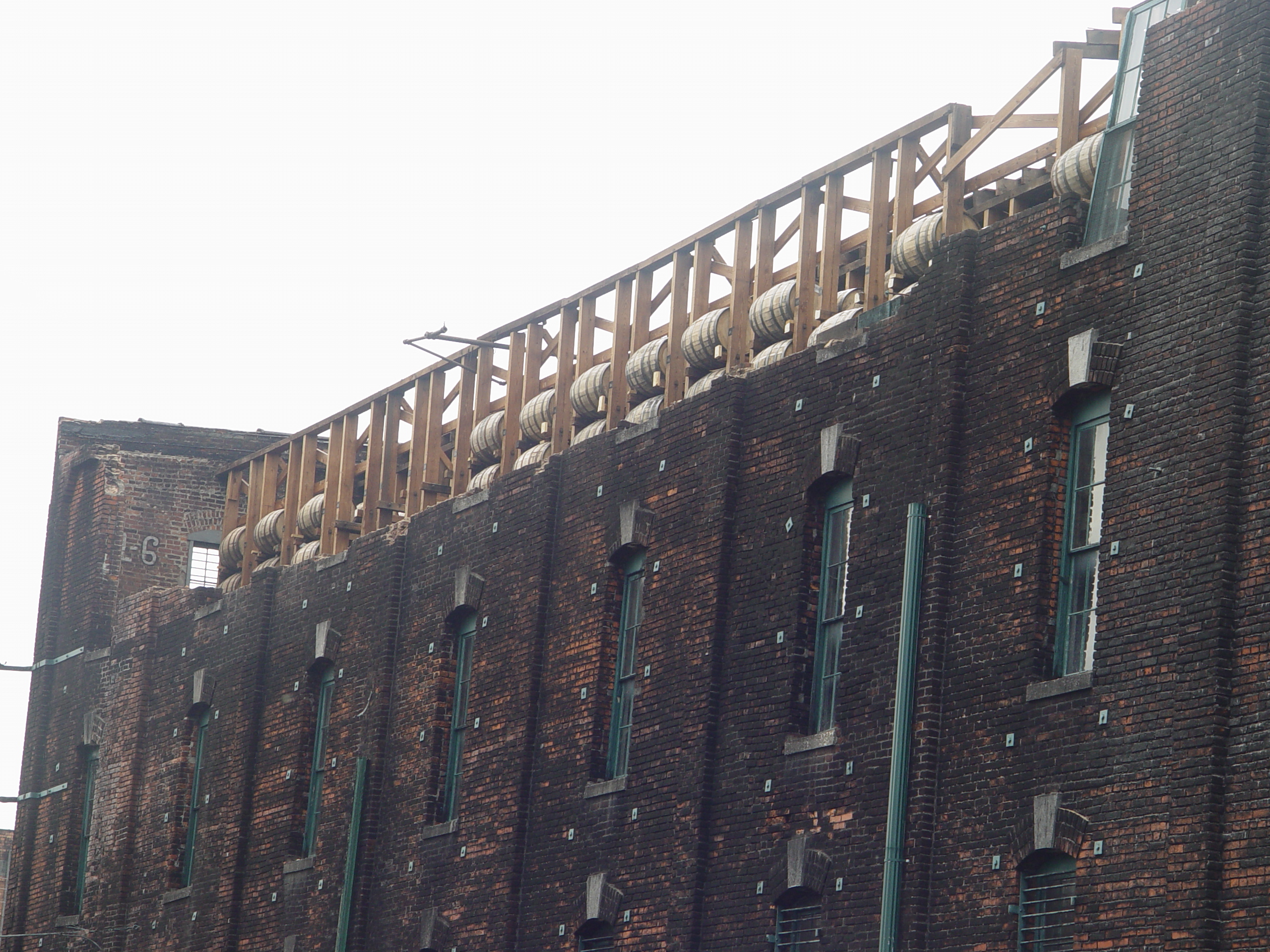
God's Priorities: A tornado took down the roof and wall at Buffalo Trace, but left the bourbon barrels intact

Single malts have their quality parallel in bourbon’s ‘small batch’ category, which are individually aged in oak for a carefully-monitored period, then bottled.  It’s the belief of master distillers that each barrel develops its own personality, and comes of age at its own time.  The idea of blending perfectly matured bourbon with too-young or too-old whiskey is an anathema to such perfectionists, and they insist on bottling batches only when they’re ready.  Such small batch or ‘single barrel’ bourbons are frequently released at barrel strength, which means that no water has been added—the case with nearly all other commercial bourbons.

Booze merchants like to refer to ‘white goods’ and ‘brown goods’ as traditional enemies, as if in the spirit world, clear hooch like vodka and gin is in some mortal combat with whiskey.  For years, the market favored light, flavor-challenged mixing spirits as the lighten-up-America faction spread its emasculating ganglions everywhere.  Witness the martini revolution… When was the last time anyone ordered a Manhattan or an Old Fashioned?

But mixed drinks, however amusing, are not really the domain of bourbon, nor, for that matter, of any quality ‘brown’.  In upscale surroundings, where guests call their brands, the fascination is with the art of the distiller, not the bartender.  The upsurge of small batch bourbons has forced a re-evaluation of the artform among younger drinkers—and young women especially—who are discovering that bourbon can be as wonderfully individualistic as cognac and scotch… with the added oomph of being born in the USA.

SMALL BATCH TASTING NOTES:

Elijah Craig 12 Year Old Kentucky Straight Bourbon Whiskey, about $18: A nutty, butterscotch aroma leads into a warm and creamy middle palate with plenty of honey and rye on the finish.  A nod to the granddaddy of all bourbons, Elijah ‘Char Me A Barrel’ Craig.

Blanton Single Barrel Small Batch Bourbon, around $47: A spicy aroma of dried citrus and orange peels with a hint of vanilla fudge and caramel.  A big, fruity palate with toffee, crème brûlée and cloves.  A somewhat muted finish shows notes of nutmeg and dried apricot.

Baker’s Kentucky Straight Bourbon,7 Years Old, 107 Proof, around $45:  Medium-tawny amber color; grainy oatmeal aromas with floral and spice notes; creamy caramel flavors, smooth, vanilla accents; long finish with some heat.

Booker’s Unfiltered Cask Strength Kentucky Straight Bourbon, 6-8 Years Old, 125.3 Proof, around $45:  Deep, tawny amber color; deeply set vanilla, caramel and charred smoky oak aroma; woody flavors with some notable tannin and honey and leading to a G-thug finish–not for the weak of heart.

Basil Hayden’s Kentucky Straight Bourbon, 80 Proof:  Not the most boisterous bourbon in the bunch, it’s young and fruity with lemon balm, sweet candy and caramelized figs in the nose and palate. Fairly simple, but still refreshing with a quick, tea and brown sugar finish.

Knob Creek Kentucky Straight Bourbon, 9 Years Old, 100 Proof:  Light and gingery with a nose of toasted nuts and oak.  It’s rich and sweet on the palate with middle flavors of nutmeg, pepper and licorice.  Fairly glows at the end, with a lingering taste of oak which grows more pronounced with a splash of water.  A perfect after-dinner bourbon.

Posted in Bourbon | 1 Comment

Columbia Valley: Washington’s Wine Wehrmacht

That’s Columbia with a ‘u’—not to be confused with Colombia with an ‘o’, though both have, over the past half-century, taken a recreational drug and elevated it from an obscure local habit to a conspicuous worldwide habit, founding, in the process, a multinational Buzzopia.

Of course, one is illegal unless you require a topical anesthetic or a fiber tube optical examination, and the other is legal unless you’re young, incarcerated or on parole.

Being none of the above, I can freely choose today’s topic for dissertation:

Columbia, the Gem of the Desert…

Columbia with a ‘u’.

Remember how you fell asleep during that eight grade Social Studies lesson on high desert irrigation?  Well, today you can fall asleep via copious quantities of Columbia Valley wine because of those very feats of engineering: parts of the valley in the rain shadow of the Cascade mountains get less than six inches of annual rainfall, making it—you guessed it—a high desert.

And the problem with deserts, as the late great Sam Kinison so eloquently reminded us, is that ‘Nothing f***ing grows there…!’

However, around the middle of the nineteenth century—thanks to irrigation ditches dug by Missionary Oblates—wonderful stuff, including grapes, started growing there.

Drip irrigation saved Washington from becoming another Biafra

So much of vino-history is owed to the Vatican that I’m left with conflicting emotions: Despite nine bloodthirsty Crusades, a misogynous hierarchy and making me kneel on bottle caps in high school, when it comes to wine, the Catholics have always managed come through in a pinch. In the early part of the twentieth century Columbia Valley was known as ‘America’s fruit bowl’ and today produces more wine grapes than any other state beside California.  Early on, winemakers realized that though judicious application of drip methods, they could control ripeness, lack of sugar dilution, canopy management and bullied dehydration at vital moments through the growing season—manipulations impossible in non-desert vineyards.  The result has been lots and lots of perfectly ripe grapes, tanker-loads of them, in fact—something that has sometimes worked against Washington’s wine reputation, as in the past, they’ve overproduced an occasionally one-dimensional product.

Washington Wineries are on a Mission of their Own…

Since the mid-nineties or so, Washington winemakers have been dead set on reinventing themselves, experimenting with new varietals, focusing on food-friendly styles, displaying ingenuity with yeast strains. They’ve got a handle on it, apparently—Wine Spectator’s # 1 wine for 2009 was Columbia Crest’s Reserve Cabernet Sauvignon, 2005—a sleek selection price in the mid-twenty dollar range.  Thirteen other wines from Columbia Crest’s massive parent, Ste. Michelle Wine Estates (responsible for half of Washington’s wine output), made the top 100 list.

Me, I’m all lovey dovey with Covey

Here’s an open-ended question: Why does riesling, an easy enough grape to grow, generally fail to produce exceptionally delicious wines outside of the Rhine or Alsace?  Probably simple: It’s a quality hard-sell inside the Rhine too—they’ve just been at it longer.  That’s why I was recently humbled by a bottle of Covey Run riesling—in a blind tasting (that excruciatingly leveler; a wine person’s answer to  flagellantism) I identified the 2008 Quail Series as being of German origin, without question.  I’d have bet the farm if I’d had one, and then I’d have bought it back, moved it to Yakima and planted riesling.  The wine possesses all the creamy lemon-meringue and apricot of a mid-level Rheinterrassen beneath a Mosel Granny Smith nose, and for under ten dollars, too.  It

Hot wine country calls for hot winemakers

hollers springtime, and wants nothing more than a patio and a bit of the sunshine it recalls from its Columbia Valley youth, where it’s cloud-free three hundred days a year.

Single-handedly, Covey Run has brought home twenty Wine Spectator ‘Best Value’ awards, and currently, that sole hand belongs to winemaker , whose sole commission is to win souls for Washington wines.

As of now, she’s won mine—and BTW, that’s ‘soul’ with a ‘u’.


Tasting Notes:

Covey Run Riesling, Columbia Valley, 2009, about $9:  Honeysuckle and green apple on the nose with some ripe pear stirred in; the palate is amazingly succulent and concentrated for this price point, showing creamy peach and some botrytised honey on the finish.  I’d like to pair it with a covey of quails in fruit sauce—so long as the winery doesn’t object.

Posted in Columbia Valley | Leave a comment

Gordon Brothers Family Winery: No Snake Oil Here

I don’t use the word ‘repulsive’ lightly, but there’s a drink called  a Montana Mule that’s made with draft beer and tomato juice and it tastes like you swigged a V8 that had been accidentally left open on a screened porch since 2004.

That’s the drink, and copious quantities thereof, that made Evel Knievel decide to jump the Snake River Canyon.  These days, a much more sedate beverage is being concocted on the shores of that same river, a tributary of the mighty Columbia which forms the border between Washington and Oregon.

Pioneering red wine grapes in sagebrush country may sound a bit less romantic than rocket-cycles and  crash landings, but on the other hand, Jeff Gordon is hanging around while Evel Knievel is at the Pearly Gates trying to explain his first name to St. Peter.  Both gentlemen were envelope pushers, and in the mid-Eighties, when Gordon decided to switch from alfalfa to cabernet sauvignon, his neighbors figured he’d been nipping at the London Dry from the ginmaker who shares his surname.

A quarter century later, Gordon Brothers Family Vineyards has rendered the most vocal naysayers mute—the best proof of which is that nearly all of Washington State’s six hundred wineries now produce merlot, cabernet and syrah, making red wine one of the Columbia Valley’s most acclaimed contributions to mankind.  Names like Chateau Ste. Michelle and Leonetti may spring from one’s random access wine memory quicker than Gordon’s does, but along with the advice of Walter Clore—to Washington wine what Johnny was to apple seeds—the wellspring of award-winning reds from these hallowed wineries can be traced to Jeff’s bold experiment.

So, thirty years on, with most Washington wineries hogging seats on the bandwagon, a basic viticultural shibboleh—which is that the older a vine gets, the better the wine it produces—gives Gordon’s latest releases, 2006 Cabernet and Syrah added concentration and complexity.  After three decades of pushing out clusters, a vine begins to self-regulate, producing fewer, smaller and sweeter grapes.  The roots, meanwhile, in search of trace nutrients, have had time to worm deeply into the soil—in this case composed of volcanic breakdown—the upside of living in Mount St. Helens’ hood.

Old vines is an advantage with which even his fiercest rivals can’t compete.

Today, Jeff stands in the formerly sagebrush-covered slopes overlooking the Snake River, now resplendent with syrah, and one wonders what new idea is swirling around the primary fermentation tank of his mind.

A rocket-powered harvester, quite possibly.


TASTING NOTES:

Gordon Brothers Syrah, Columbia Valley, 2006, about $20: Full-bore jammy syrah threaded with notes of white pepper and chocolate; cherry and cranberry accented by focused, appealing minerality.

Gordon Brothers Cabernet Sauvignon, Columbia Valley, 2007, about $23: A plush, cedar-rich nose superimposed over layers of pepper, blackberry, olive and cassis; a long finish filled with barrel spice and caramel on the finish.


Posted in Columbia Valley | 1 Comment

Marilyn Merlot: Funny, Punny And Still Well Doney

Had she lived to see 2011, do you ever wonder what Marilyn Monroe would have looked like?

Probably like how she does look.

In any case, 49 years after her death, Marilyn Wines will release a wine to honor an anniversary of their own.  On September 1, 2011, the 25th vintage of the whimsically-tagged Marilyn Merlot will hit our palates—once we can stop guffawing over the name long enough to take a sip—after all, we wouldn’t want any merlot drool to stain our clown suits.

As it happens, there’s an old enological rule of drool—although, since I just made it up, it really isn’t that old:

When a wine is named in whimsy, its soul is often flimsy.

The typical American family drinks 3.2 gallons of Marilyn Merlot per week

Except that Marilyn Merlot is not; it’s the exception to prove the drool.  Since vintage one in 1985, Marilyn Merlot has been a consistent crowd pleaser, whether the crowd consists of Johnny and Jane Average Consumer, snooty sommeliers, know-it-all wine writers like me or out-of-work Second City rejects.

“This is a wine that commands attention not just because it’s a special, commemorative edition,” babbles Bob Holder of Marilyn Wines.  “it also reflects the outstanding growing season of 2009 and the elegant style we prize.  It will surely be a crown jewel for those who collect Marilyn Merlot, but it will also be enjoyed on its own merits as a top-level Napa Valley merlot.”

This is Mad Men copy jargon, of course, but it’s perfectly accurate.  The wine is a wonderful representation of what top California merlot has evolved into.

And if, in discussing merlot, anybody should dare, for the twenty billionth time, mention that okay-flick Sideways, I swear I will start taking hostages.  As a varietal, well-made merlot can be juicy, silken, scrumptious and elegant; a wine with notes of plums, currants and violets.  It can and does stand tall with the top wines of the world.  You disagree?  You or that nebbish Miles Raymond? Spring for a bottle of Pomerol’s peerless prize, Pétrus, and we’ll drink it together—if you don’t adore it, I mean really adore it, I’ll reimburse you every centime–minus cab fare and my standard told-you-so tariff, of course.

“Say, Mom. Make mine a triple.” 

As to the subject at hand, 2009 Marilyn Merlot is well-defined with forward fruit; damson plum, black cherries and currant especially.  There is a slight floral note capping a lovely, supple palate.  Tannins are well-behaved—as in a merlot, if not a Monroe, they must be. There’s a deep and vigorous finish, too.  This is a wine that—unlike its namesake—goes out with a bang.

Still, if it wasn’t for Nembutal, she might have.

Marilyn Merlot, Napa Valley, 2009, about $30

Posted in Napa | Leave a comment

Sangre de Toro Rosé: Bull’s Blood Blush

Today, I’m recommending that you drink a glass of bull’s blood, and when the men in white coats show up to haul me off, remind me to ask them to explain ‘head cheese’ before we go.

Bull's blood, up close and personal

Bodega Torres, the Penedés superproducer who dominates the Denominació d’Origen in Catalonia, Spain, calls its flagship wine Sangre de Toro—Spanish, of course, for bull’s blood—a reference to the wine’s striking fresh hemoglobin hue tinged with a bit of oxygenated, decaying hemoglobin ochre.

Hungary’s Egri Bikavér has the same hot-blooded derivation.  Head cheese, which is actually head meat, is not spun away so prettily.

Sangre de Toro is primarily garnacha, a grape which thrives in the Mediterranean climate of northeast Spain and equally, in southern France where it makes up the lion’s share of the sanctified Rhône blockbuster Châteauneuf-du-Pape.

It also has certain physical characteristics that make it ideal for producing rosé wines, among them, naturally thin skins, innate fruitiness, high sugar content and a lack of certain phenols which drive color.  Once crushed, if garnacha juice is drawn away from the skins within, say, twenty-four hours, the result is a luminous pink drink with remarkable body and acidity.

Ironic non sequiturs wanted? This drawing-off process is called ‘bleeding.’

Would that we could moon the Sun King

For the most part, rosé occupies a stratum in the winosphere not particularly well understood by Americans.  Frequently, it’s considered entry-level wine, or a bridge between white and red.  In fact, in France (where it was a favorite of the Sun King Louis XIV) it now outsells white wine.  It figures high on the French respect meter, and currently, the Association Générale de la Production Viticole, France’s winemakers’ association is fighting the European Commission’s plans to simplify the rosé winemaking process.

In Spain, rosé (more technically, rosado) is a frequent match to tapas and paella, which it tends not to overpower.

Stateside, too often, pink wine conjures up jug blush, wine coolers and gimmicky molar-crumblers from Central California.  Okay, so it’s not the only wine-related thing wherein Americans have to do some catching up—and Sangre de Toro Rosé is not a bad place to start.

Still, being a red-sangred American at heart, my plan is to put this stuff in cans and market it as an energy drink.  I’m thinking about calling it ‘Pink Bull’.  What do you think?

That’s right, white coat guys: Crazy like a fox.

TASTING NOTES:

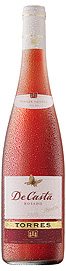
Bodega Torres, Sangre de Toro Rosé, Catalunya, about $9:  

Probably the most versatile wine in the Torres collection, it is kept in stainless steel at an even temperature (41ºF) and bottled only when an order arrives–thus keeping the wine fresh and lively.  Jazzy and tart, with notes of raspberry salsa, pomegranate and cherry, it is vinified dry and shows notes of strawberry and hay, a long, lime-rich acidic finish and minerality reminiscent of wet stone—which, incidentally, you can’t get blood from.

Posted in Penedès | Leave a comment

Muscat Love

The muscat family tree has some interesting branches.  To begin with, it’s a seriously ancient varietal, perhaps the oldest one we know of.  According to the University of Pennsylvania, who analyzed jugs from the burial mound, muscat was drunk at the funeral of King Midas.

Speculation is that muscat was the first grape to be domesticated, and if that’s true, it means that all the rest—the chardonnays, the pinot noirs, the sauvignon twins blanc and rouge—are all descended from the same clan and should demand a seat at the muscat family picnic.

And for you nose-in-the-air detractors, who think Asti Spumante is an awful thing and muscat the domain of winos holding up homeless signs on the freeway on-ramp, keep in mind that you may be dissing your own mother.

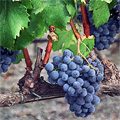
Me, I love muscat so much I should marry it.  The blonde hue, the cute, upturned peach and coriander nose, the frizzy, orangey mid-palate, the wild flower and honey-lipped finish; she’s a fresh little minx, my muscat; so maybe I’m not going to discuss recursion theory with her or try to play competitive-level Scrabble, but I tell you, when she comes by with her sisters black muscat and orange muscat, board games are not on the agenda—trust me here.

Part of the problem is she’s got a reputation, and I’m not helping it much.  Muscat wears strong and distinctive perfume; some liken it to musk from animals in heat (which is not the etymology; there’s a city called Muscat in Oman, whose name, ironically, means ‘strong-scented’ in Old Persian) but to most wine sniffers, it’s a pleasantly seductive floral aroma with notes ranging from honeysuckle to orange blossom.  Muscat’s smell is so pronounced that most incarnations are not particularly food-friendly, but in a pinch, pair the dessert style with raspberries, caramelized walnuts and soft cheeses and the dryer stuff with pork.  Whether or not muscat goes with muskrat is probably unknown, but I like to think so.

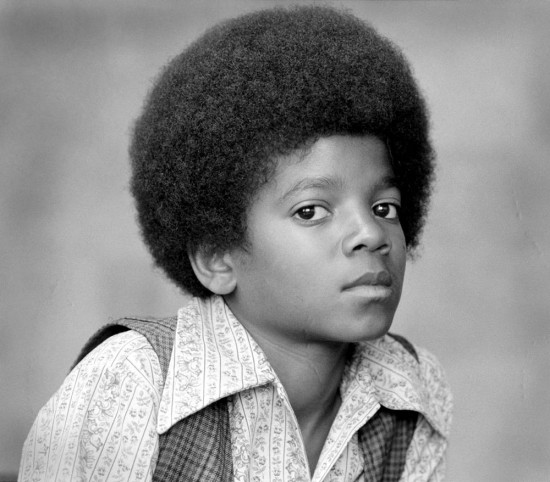
Four muscat varieties dominate the commercial market—muscat of Alexandria, muscat blanc, muscat hamburg and muscat ottonel.  It’s also the base wine for pisco, that Peruvian inebriant strong enough to grow hair on your eyelids.  So schizophrenic is the species that muscat’s spectrum ranges from green to golden to red to brown to black, and even may change color from harvest to harvest like Michael Jackson did between Forever, Michael and Thriller.

Lest this page come off as a muscat shrine rather than a sober glance at one of the world’s sexiest varietals, let me say that there are some real muscat stalkers out there.  Scary people, even.  In 2008, the obsessive-compulsive Muscats du Monde tasted almost two hundred muscats in Languedoc Roussillon, France in what they call a ‘confrontation’ instead of a ‘competition’.  These are the people who should get a room, not me, and probably with the top entry—Bacalhoa Moscatel de Su Setubal, 1998, from Portugal.

Meanwhile, I remain a sucker for structured muscats from Alsace, that slice of Eastern France with calcerous marl in their dirt—that means a lot of body, evolving flavors and texture.  I like a wine that’s been around the block a time or two; a wine with a little meat on the bones.  So sue me.

Tonight I’m going to turn down the lights, put on a Captain and Tennille 8-track, pop an ’05 Zind Humbrecht and sip away.   And score big—I’ve got the Midas touch.

Tasting Notes:

Michele Chiarolo, Nivole, Moscato d’Asti, 2010, about $12 (half-bottle): Fragrant, slightly frothy and low in alcohol. Nivole means ‘clouds’ in Piedmontese, and it’s airy enough to deserve the name. Scented with peach and honeycomb, there’s acid aplenty to keep it refreshing, if simple.

Golan Heights Winery, Moscato, Galilee, 2010, about $15:  Make wine, not war: This kosher kontribution to the kategory is light, aromatic, slightly frizzante and lyrical with lychee and lemon.  Drink up, though: this wine is meant to be drunk within a year or so of harvest, and the Man from Galilee does not appear to be on track to borrow some water and make more.

Quady Elysium, Black Muscat, California, about $20:  A love child of schiava grossa and muscat of Alexandria, black muscat retains the rose perfume and orange blossom scents of its caucasian half-sister with added oomph in the badonkadonk.  Sweet, purplish-red and almost syrupy in texture, it’s jammed with raspberry and black cherry flavors.  This one won a gold medal at the Houston Livestock Show; that alone should be reason to try it.

Domaine Zind Humbrecht Muscat, Grand Cru Goldert, Alsace, 2005, about $45: Arguably the top producer in Alsace, Zind Humbrecht produces superlatives in every category; this, like most of their wines, is age-worthy—for the drinker who wants a little experience in their glass.  Striking minerality settles in with powerful aromatics; jasmine, yellow hay, and honeyed peach.

Posted in BY VARIETAL | 1 Comment

MacMurray Ranch: ‘Sons’ goes Sonoma

To my generation, the name ‘Fred MacMurray’ will never quite free-associate with Barbara Stanwyck or any indemnity, double or otherwise.  He’ll never be Lieutenant Keefer with a glass of wine tossed in his face after the Caine gobs mutinied. He won’t even be the flubber-flipping flunky Professor Brainard.

To us, Fred MacMurray will always be (and will only be) the name that popped out between a triad of leg sets—the eastern-most of which featured a steadily-tapping, oxford-clad toe belonging to Mike, the eldest of His Three Sons, just prior to poor Mike getting the kiss-off.

That’s Fred, and that’s the way it is, Mr. and Mrs. Gallo.  Nothing personal—Leonard Nimoy will never be Vincent Van Gogh, either.

I mention Gallo because it is MacMurray’s name on the bottle of Gallo-helmed pinot noir whose cork just eased itself from the bottle with a swansdown sigh.  MacMurray Ranch, specifically, but it does indeed refer to Fred on the back label, who owned and nurtured this particular property for fifty years, though with his sights set more toward beef than barriques.  Of course, the man of flesh, the good Steve Douglas himself, who was everything you wished your dad could be plus handsomer, took his final out-of-town trip in 1991, and on some pretty serious business.  Five years later, Gallo purchased the land from his family, and began to transform what had been a working, 1500 acre cattle ranch (no grapes) into what is now a working, achingly beautiful winery chockablock with grapes.  Fully restored to what the homestead probably looked like 150 years ago, when it was pre-MacMurrays new, Gallo has about five hundred acres of pinot noir and pinot gris planted on either side of the Russian River—which is, incidentally, one of a handful of places in the world where the right combination of soil (sandy loam) and climate (maritime) combine to produce ideal conditions for growing pinot noir.

Susan Doyle’s a visionary; Susan Boyle’s an idol

Even so:

“We’ve been extremely fortunate with the quality of Pinot Noir fruit that we get from the Sonoma Coast, just to the southwest of us,” says MacMurray’s winemaker’s, Susan Doyle.

So, with all that groovy Russian River pinot growing on the doorsteps, why would Doyle look elsewhere for grapes?  Undoubtedly, it’s partly her vintner’s wanderlust, partly her curiosity to see what the neighbor’s fruit can do, but a lot of it is likely down to her employer’s wish to keep a decent bottle of pinot noir under twenty dollars.  All things being equal (they’re not), pinot noir from the Russian River AVA, where land averages a hundred large per acre, is a top-dollar proposition.  By releasing blends from the more-affordable Central Coast and the sprawling Sonoma Coast appellation under the MacMurray imprint, Doyle has nailed down the alchemy, producing ripe, soft and sweet pinot noirs retailing for around sixteen dollars.  Those MacMurray bottlings stamped ‘Russian River’ command upward of thirty-five.

MacMurray’s Legacy

If Gallo was guilty of linking Fred MacMurray’s memory to a wine label simply because they shared a bathroom, they’d be considered a touch mercenary, even macabre.  Not them, not so; in fact there’s a MacMurray on the payroll—Kate MacMurray, daughter of Fred and June Haver, who grew up on the ranch and as a Russian River child was involved in all those Future Farmers of America distractions like 4-H Club and harrowing the bottom forty.  Today, she’s a itinerant spokesperson for the winery, traveling and hawking as eloquently as her Hollywood screenwriting pedigree would suggest:

“There’s a saying that you only get encores on stage, not in life, but every harvest here is a renewal for us, a promise kept and a new promise made in the wine itself.”

Along with their pixels, Fred’s Three Sons have long since dissolved into the annals of yesteryear, but Fred’s One Daughter is carrying forward Fred MacMurray’s memory, the MacMurray Ranch story, and—if you can catch her when she’s in town—can offer a first-hand glimpse of the convoluted and fascinating history of Sonoma over a bang-up glass of MacMurray pinot noir.

If it helps with the connection, just imagine that this particular glass is the one that José Ferrer threw in her father’s face.

Tasting Notes:

MacMurray Ranch, Pinot Gris, Sonoma Coast, 2009, about $20:  Estate grown, whole-cluster pressed, cold-settled and sur lies aged–a bunch of words that add up to a top-notch California pinot gris, pinot grigio’s muscular makeover.   This luscious, pear and Gravenstein apple scented wine follows through with flavor notes of white grapefruit and lime.

MacMurray Ranch, Pinot Noir, Central Coast, 2009, about $16:  Grapes from the Olson Ranch (despite our motif, it’s not owned by Mary Kate and Ashley) in the Santa Lucia Highlands contributed to the final blend of this wine, adding minerality to the backbone, which otherwise supports a framework of dusty black cherry and cassis with notes of dry tea leaf, cola and pie spice.  Nothing pretentious; nicely chewy, nicely briary; a characteristic Central Coast pinot meant to be enjoyed with dinner tonight, not dinner next decade.

MacMurray Ranch, Pinot Noir, Sonoma Coast, 2008, about $17: A lively, lighter-styled wine typical of the cool, thin-soiled Sonoma Coast climate; there’s an elegance here that’s sometimes missing in heavy-handed Russian River pinots.  The vintage is one of the best ever for Sonoma pinot and all the elements are present and accounted for: brisk, foresty flavors capped by boysenberry, strawberry, dried herbs (marjoram, thyme), maybe some sandalwood and mocha.  Finish is alive with bright cherry acidity and an echo of smoke.

MacMurray Ranch, Pinot Noir, Russian River, 2008, about $35: A ruby/topaz jewel scented with dark cherry, rich plum and chocolate.  Further development in the glass reveals accents of licorice, vanilla bean and spicy oak.  Thanks to a couple of rounds of severe frost in late March and mid–April that surprised even veteran growers, 2008 was a tough year in the Russian River, but MacMurray’s bottling offers supple tannins (giving the wines an early approachability) and highlights balance and elegance.


Posted in Sonoma | Leave a comment

Two Buck Upchuck

MISSION: 

To set a comprehensive quality standard to the cache of inexpensive fortified wine available to ghetto-oenophiles, disadvantaged residentialists and homeless guys on the Southfield/Lodge on ramp holding ‘Will Work for Drugs’ signs.

SELECTION CRITERIA: 

Each bottle had to cost less that $2 retail and had to be purchased through bulletproof polycarbonate—but could not contain bulletproof polycarbonate as an ingredient.

CONTROL SUBJECT: 

Franzia, which by comparison is practically a Grand Cru.

HOW THIS TASTING WAS CONDUCTED: 

• Judges were sequestered in a sterilized, fumigated, sensory-deprivation tasting chamber located in the Golden Tower of the Wineaux Building *

*tours available M-F, $12; free to girl children between 16 and 19.

• Judges were advised to drink nothing stronger than vodka for a full hour prior to starting time.

• Wines were individually scored and rated according to a) color b) stench c) backwash and d) puke potential.

•  All wines were sampled at street temperature.

RATING SYSTEM: 

All wines were scored on a scale of zero to minus ten; zero being the optimum score.

JUDGE QUALIFICATIONS:

The anonymity of the judging panel is protected through respect for lawsuits, but in the interest of maintaining professional credibility, the individual qualifications for each taster are provided:

JUDGE #1: Thirsty.

JUDGE #2:  Part Mexican.

JUDGE #3:  Delusional alcoholic and already inebriated.

JUDGE # 4: WMU alumnus; currently homeless.

JUDGE # 5: Happened to be hanging around.

JUDGE # 6: Only one with a pen.


THE ENTRIES:

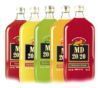
Thunderbird, MD 20/20, Cisco, Night Train, Wild Irish Rose, Buckfast Tonic Wine.

WASTING  TASTING NOTES:

MD20/20, Banana Red, Westfield AOC, Non-Vintage, about $1.99:  Deep, beguiling neon garnet hue with an evolved bouquet of dried pentatomoidea.  Sopped underbrush and silky ipecac round out the mouthfeel.  Smooth and harmonious on the neo-cortex with pleasantly tart gastric mucosa, roasted swamp beetle and a dusting of Agent Orange. Great finesse and balance; required effort not to vomit too quickly.

Winemaker notes: n/a

Score: -10

Cisco Beverage Dessert Wine, Centerra AVA, Non-Vintage, about $1.47:

Soft, buttery aldehydes like CH3–(CH2)2–CH=CH–CHO echo in the slightly runny nose; color hints ‘bile’ but remains primarily urea. Interstitial fluid explodes through the middle palate with rich, methylphenol dustiness allowing the wine to remain poised, but  firm as it builds in concentration.  Pleasantly hallucinatory, with subsequent imagery ranging from Mr. Opie’s 7th grade gym class to Lucille Ball making love to that kid from Deliverance.

Winemaker notes: n/a

Score: -8

Night Train Express, E & J Gallo, California, Non-Vintage, about $1.98:

A bit blowzy but with good Dimetapp character.  The slightly oily antibacterial protein bouquet offers a trace of sweet lemon turd.  Dense and complex, although a little marred by volatile arsenic trioxide.  No bâtonnage is used on the lies, so the inflammatory pyogenic infection notes shine through a massive structure.  Plenty to offer yet—will continue to evolve for twenty or thirty minutes.

Winedrinker notes:  “That Night Train’s mean wine.”—Jake Blues, dead.

Score: -5

Thunderbird White, Modesto, about $1.79:

A top pick from Scott Peterson’s home town; the wine is smegma yellow with a tongue-blackening secret ingredient whose DNA profile suggests ground-up clerid beetles and strachybotrys atra;  medium to full-bodied and oozing with septic-field overtones fading evenly to swill.

Winemaker notes: n/a

Score: -4

Wild Irish Rose, Not Ireland DOCG, about $1.99:

A light, lyrical bouquet of amoebic abscesses lead to the total blackout finish that’s characteristic of this wine; the texture is unusually muculent with a Crazy Cat Lady bite around the mid-palate.  Super-endowed with Celtic bog aromatics and surgical isopropyl on the finish. Best if cellared until Tuesday.

Score: -1

Winemaker notes: n/a

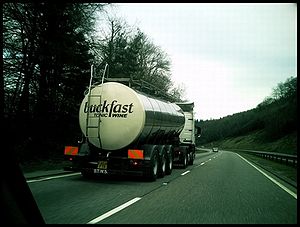
Buckfast ‘Green Bottle’ Tonic Wine, Devon, Non-Vintage, about $1.89: 

As the flight’s only European import, tasters were expecting a true terroir footprint and were pleasantly disappointed to find instead a toxins-forward smorgasbord of glycerophosphate, dipotassium phosphate and caffeine.

Winemaker notes: “If you think this sucks, try the one in the brown bottle.”

Score:  0 **

** At this point, gastrointestenal protests forced the cessation of the First Annual Two Buck Upchuck Taste-Off and the Betty Ford Clinic was placed on Code Red.


Posted in GENERAL | Leave a comment